
State Department for Environment and Climate Change Responds to Parliamentary Audit Queries
State Department for Environment and Climate Change Responds to Parliamentary Audit Queries
The State Department for Environment and Climate Change has outlined measures undertaken to strengthen financial accountability, improve budget implementation and address audit queries raised by the Office of the Auditor-General for the Financial Year 2023/2024.
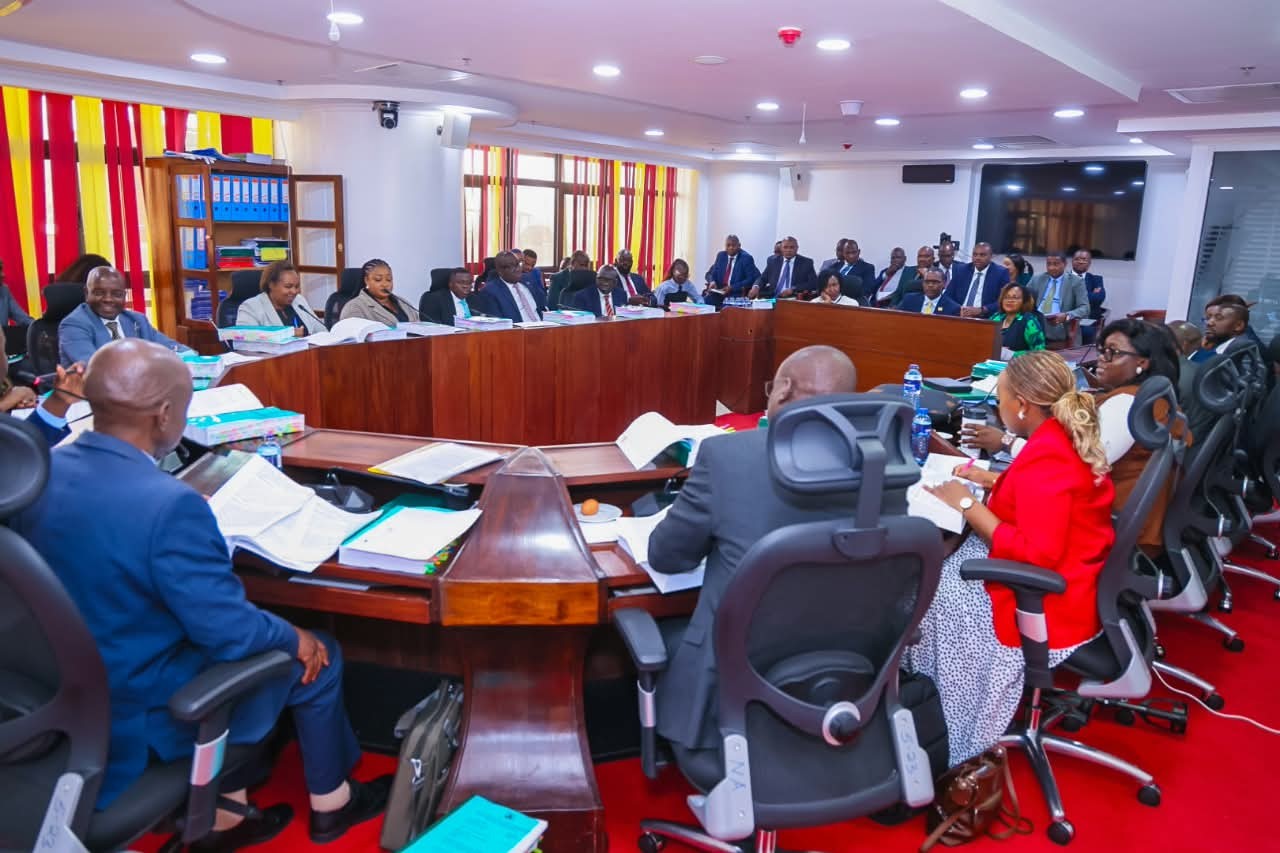
In its submissions to the National Assembly's Public Accounts Committee (PAC), the State Department provided explanations and updates on financial management, pending bills, staffing gaps, asset management and the implementation of various environment and climate change programmes.
The responses addressed concerns raised in the Auditor-General's report, including budgetary underfunding, expenditure classification, statutory deductions, internal controls and the absorption of funds allocated to donor-supported projects.
According to the report, the State Department had an approved budget of KSh 6.69 billion against actual receipts of KSh 5.99 billion, resulting in a funding shortfall of approximately KSh 709.6 million.
The State Department attributed the shortfall to inadequate Exchequer releases, budget adjustments and delays in the approval and disbursement of funds, which affected the implementation of planned activities.
On pending bills, the Department explained that inadequate funding and budget cuts had constrained the settlement of outstanding obligations. It reported that KSh 323.7 million in pending bills relating to the financial year under review had subsequently been settled, while historical bills had been forwarded to the Pending Bills Verification Committee for further action.
The Department also outlined measures to address staffing shortages, noting that recruitment processes were underway to strengthen technical capacity and improve service delivery.
On asset management, the State Department acknowledged discrepancies identified in the fixed assets register and reported ongoing efforts to update asset records through the Integrated Financial Management Information System (IFMIS), in line with National Treasury guidelines.
The submissions further highlighted progress in implementing key environmental programmes, including the Kenya Gold Mercury-Free Project, the Drought Resilience in East Africa (DRESS-EA) Project and the Kenya Enhanced Transparency Framework Reporting Programme.
Under the Kenya Gold Mercury-Free Project, the Department reported that mercury-free gold processing technology had been acquired and delivered to Kakamega, Vihiga, Migori and Narok counties. The initiative seeks to promote safer gold extraction practices while reducing mercury pollution and associated environmental and health risks.
Regarding the DRESS-EA Project, the Department acknowledged delays in implementation and absorption of donor funds, attributing the challenges partly to delayed approvals and disbursements. It outlined measures aimed at improving project implementation and strengthening drought resilience among vulnerable communities.
The Department also provided responses to audit observations concerning the Africa Climate Summit, including the utilisation of donor resources and outstanding financial obligations.
The submissions reaffirmed the State Department's commitment to addressing audit findings, strengthening internal controls, improving financial reporting and ensuring prudent utilisation of public resources.
The accountability process forms part of parliamentary oversight aimed at promoting transparency, compliance with public finance management requirements and effective delivery of environmental and climate change programmes for the benefit of Kenyans.