











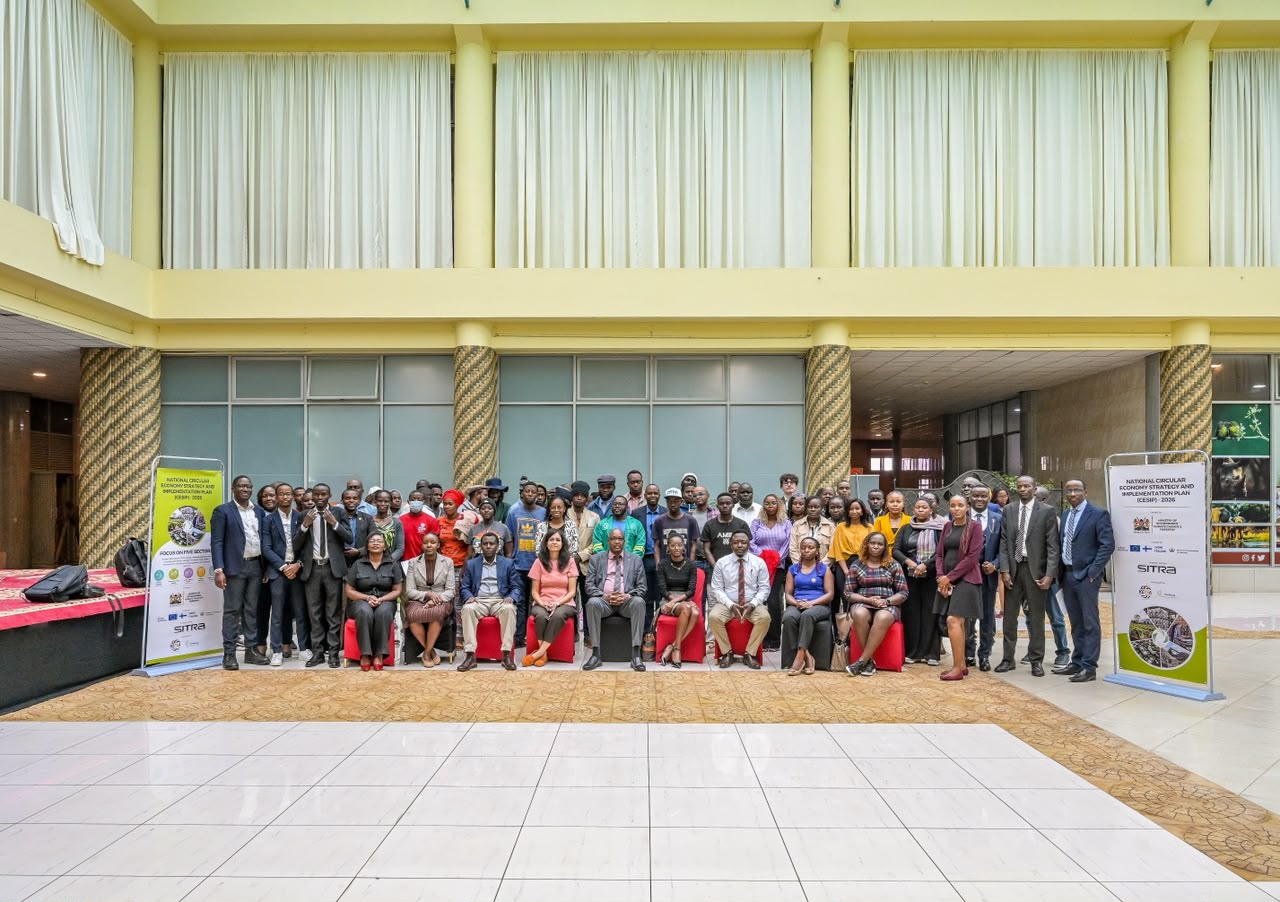
Ministry Validates National Circular Economy Strategy and Implementation Plan 2027–2032
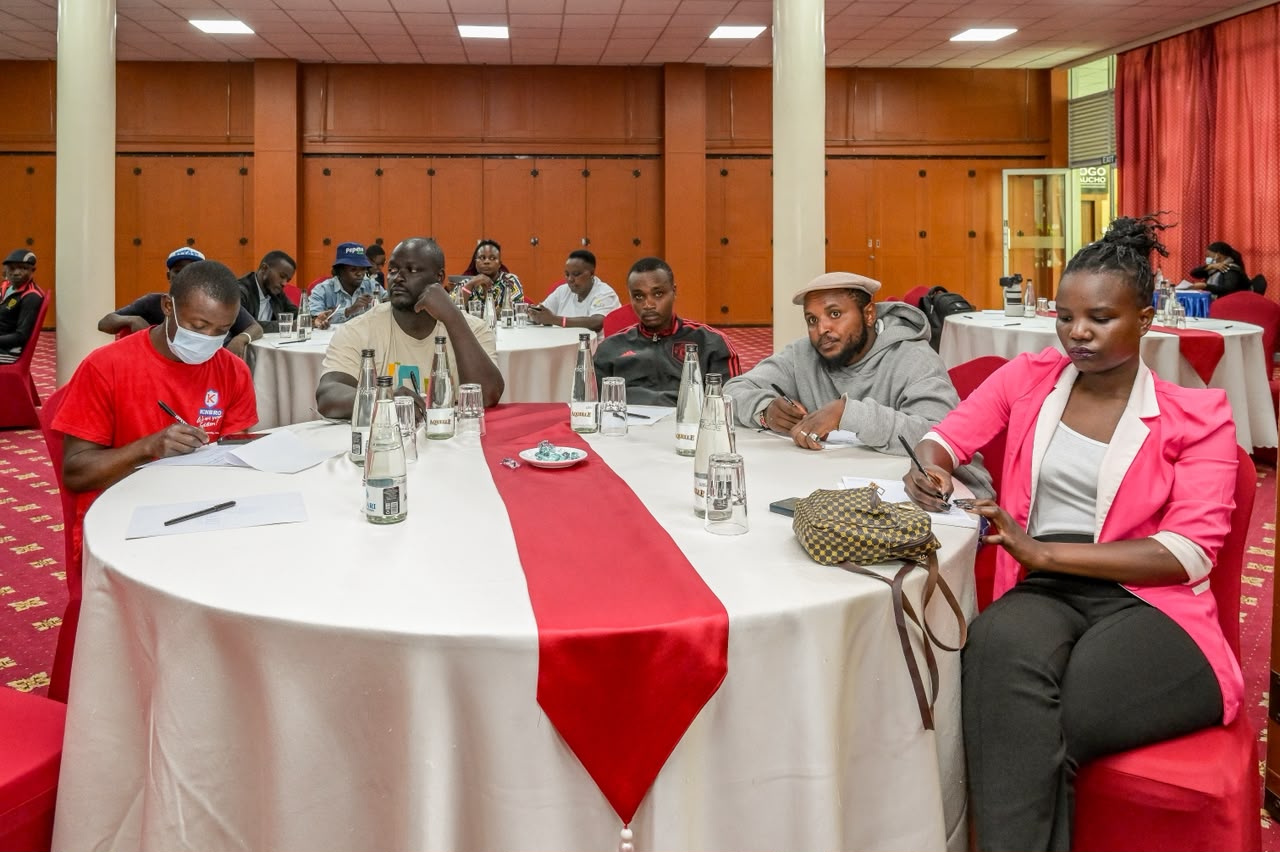
The Ministry of Environment, Climate Change and Forestry has convened a stakeholder validation workshop for the National Circular Economy Strategy and Implementation Plan (CESIP) 2027–2032, marking a key milestone towards finalising Kenya’s national framework for transitioning to a circular economy.
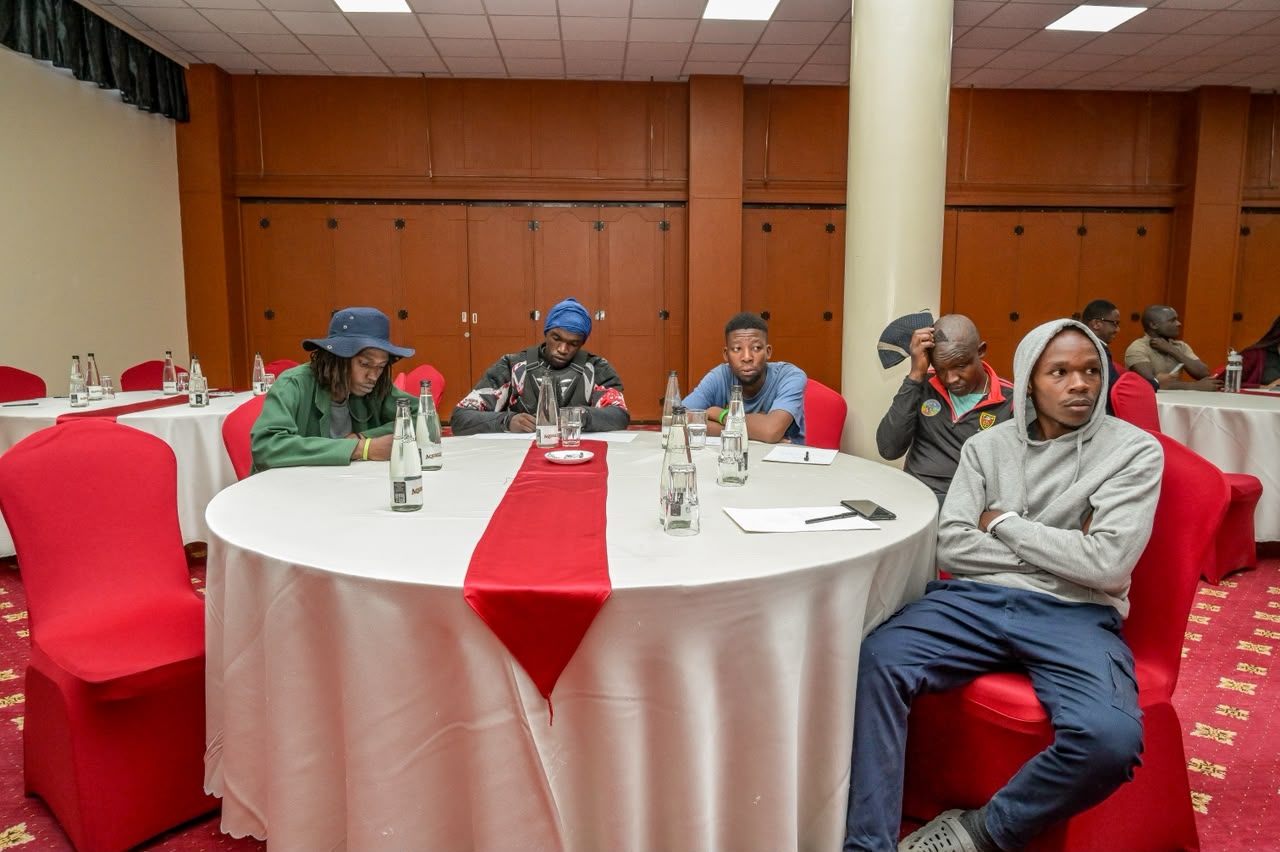
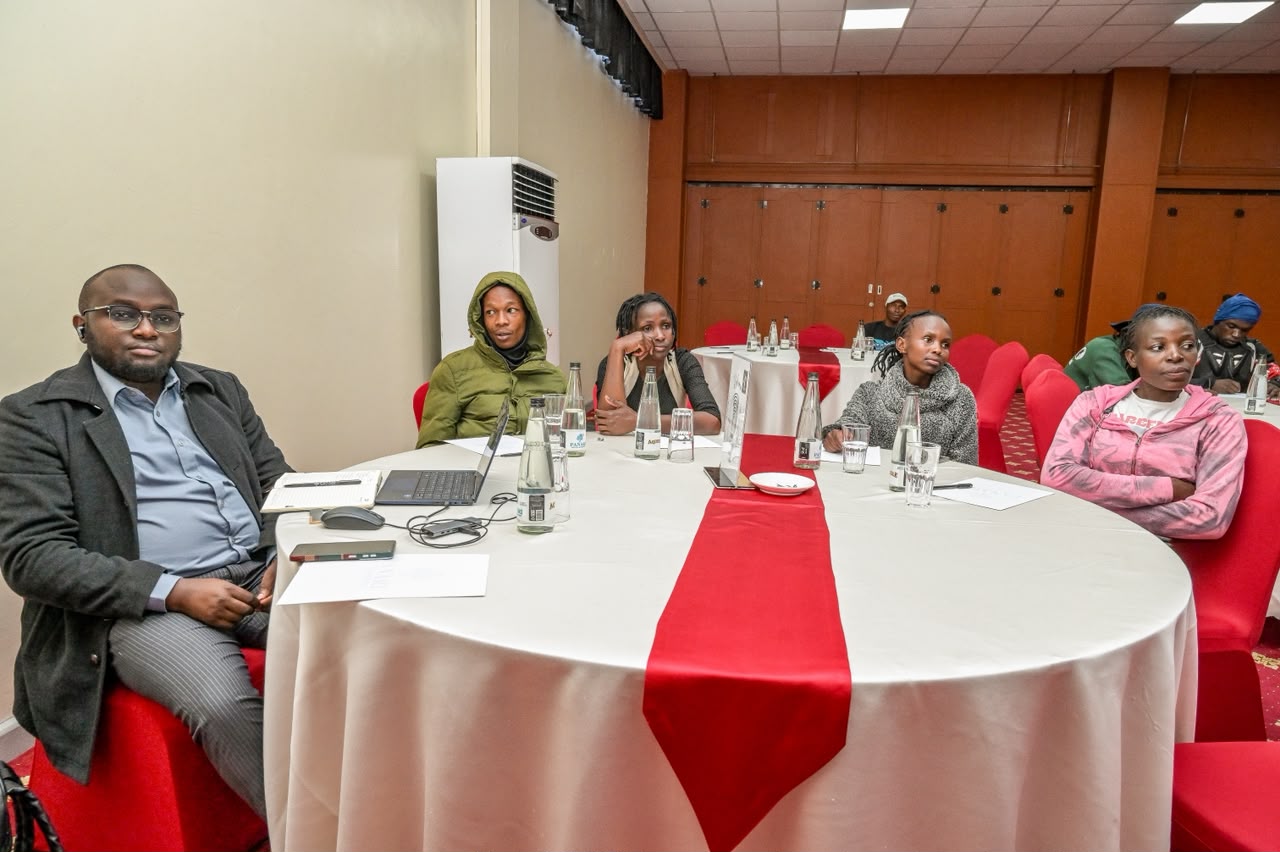
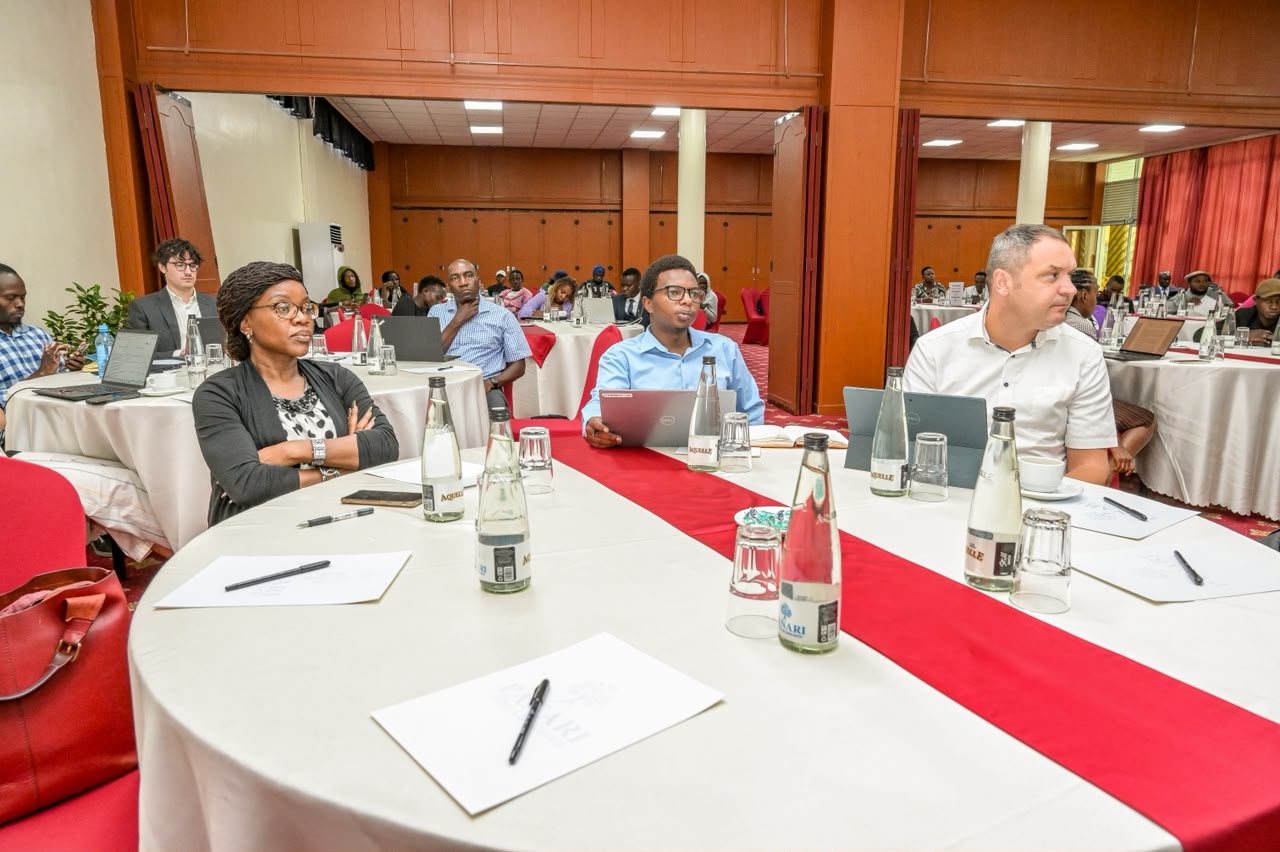
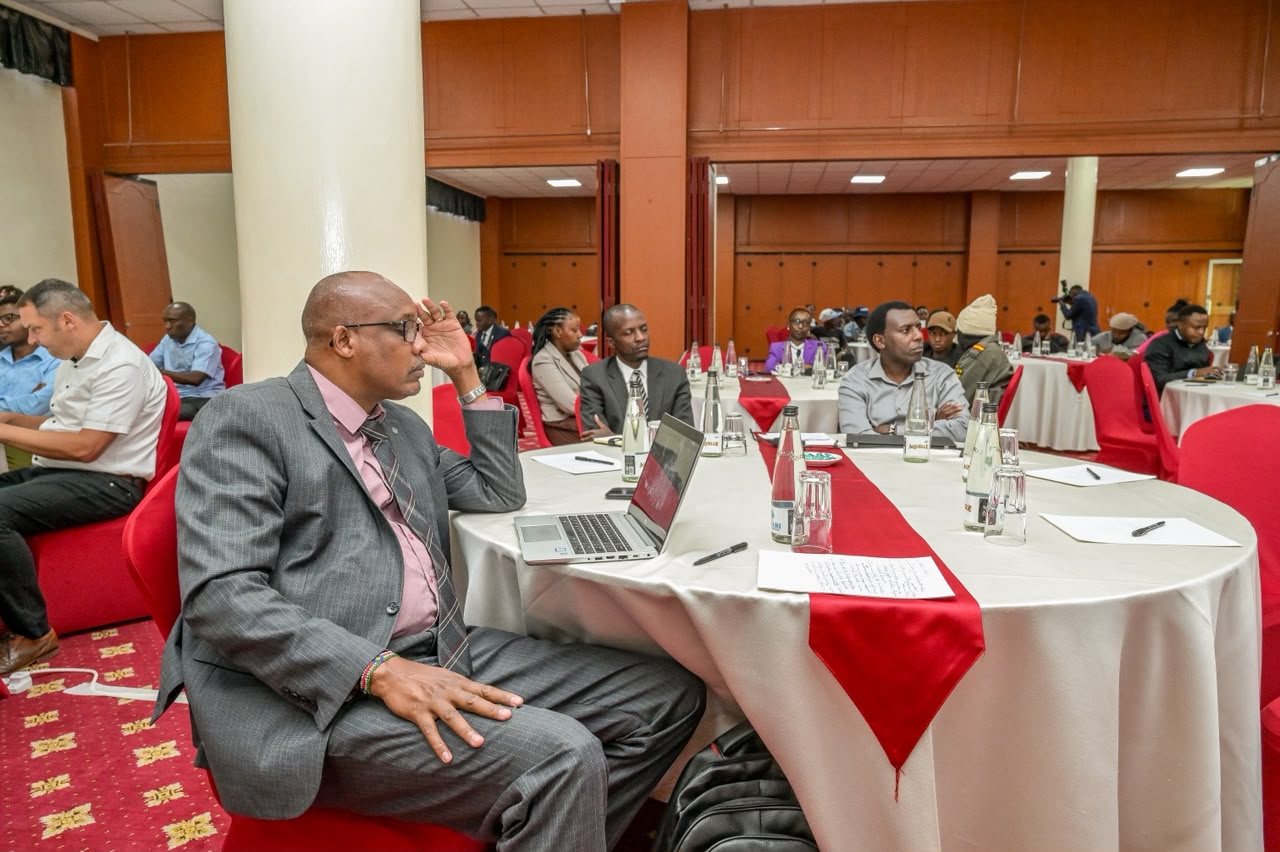
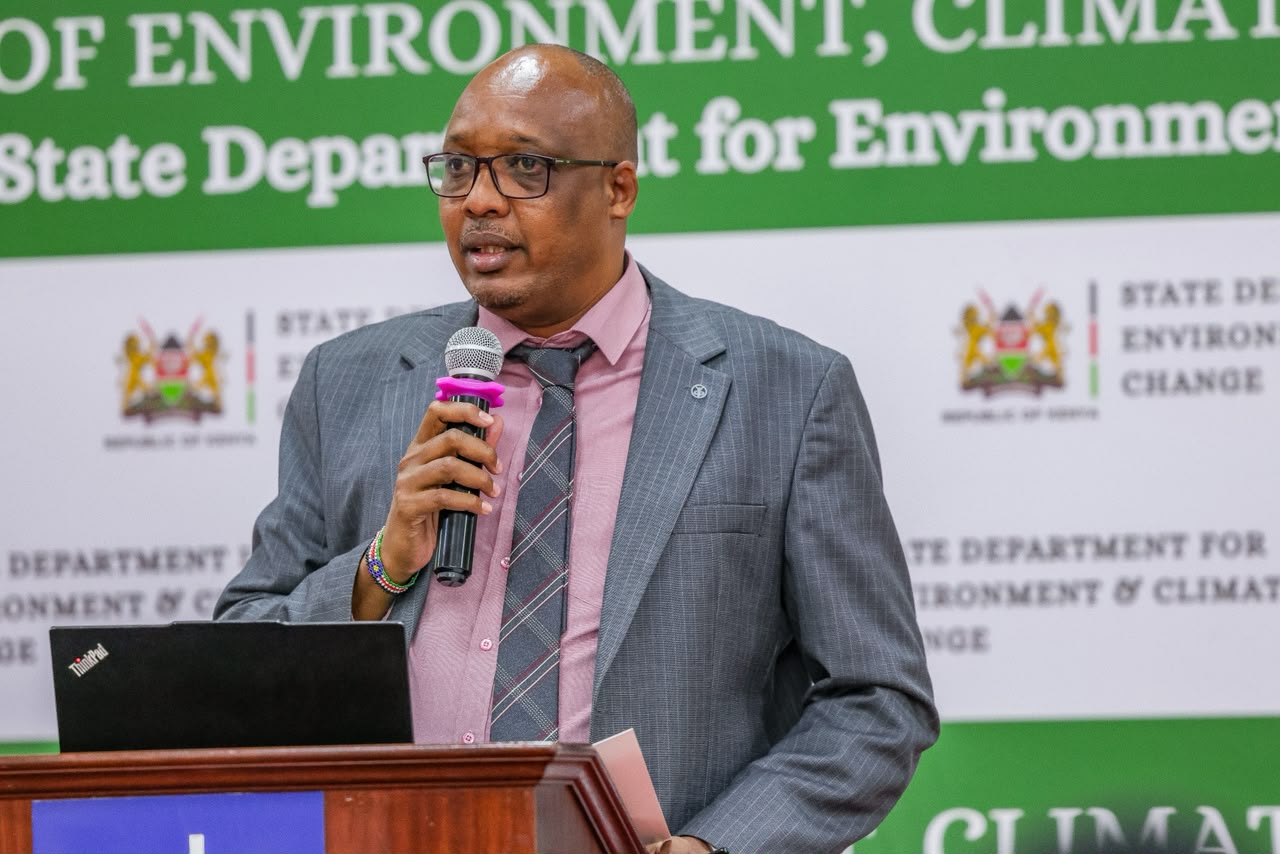
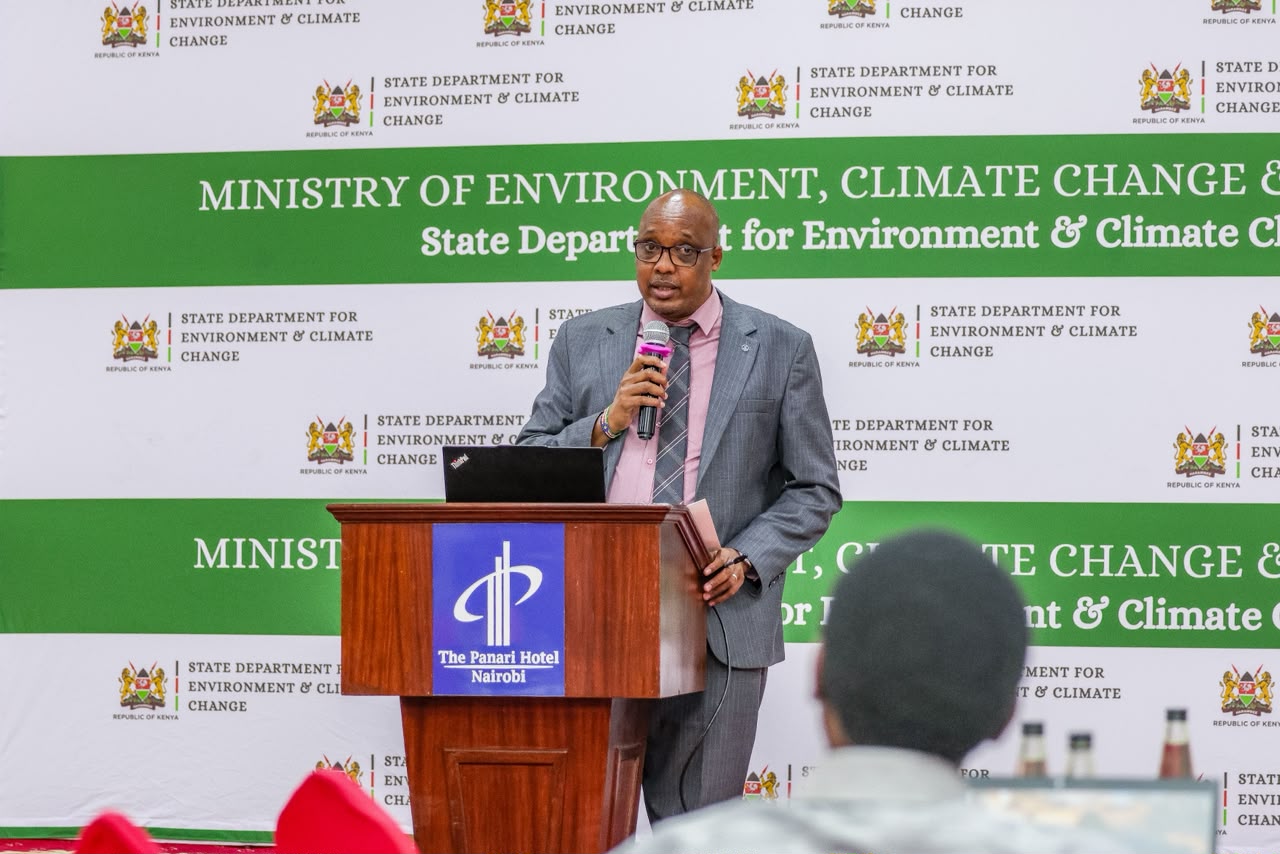
The workshop, officially opened by the Director of Waste Management and Pollution Control, Mr Molu Wato, is being held at Panari Hotel, Nairobi. It brings together stakeholders from government, the private sector, development partners and other relevant institutions to review the draft Strategy and provide recommendations ahead of its finalisation.
The validation meeting follows a comprehensive process of sector analysis, stakeholder engagement and public consultations conducted across Nairobi, Kisumu, Mombasa, Nakuru and Eldoret. The process has drawn input from businesses, county governments, civil society, informal-sector actors, development partners and other stakeholders to ensure that the Strategy reflects Kenya’s circular economy priorities.
CESIP provides a coordinated framework for mainstreaming circular economy principles across five priority sectors: Plastics and Packaging; Agriculture and Food Systems, with a focus on organic waste; Textiles, Apparel and Fashion; Electrical and Electronic Equipment, focusing on electronic waste; and Mining, Quarrying and Construction.
The Strategy seeks to support Kenya’s transition from a linear economic model, characterised by the extraction, use and disposal of resources, to a circular model that promotes resource efficiency, extends the useful life of materials and products, and minimises waste and pollution.
Beyond its environmental benefits, CESIP aims to unlock green investment and employment opportunities, strengthen domestic material recovery, and promote sustainable production and consumption. It also recognises the importance of an inclusive and just transition, particularly for women, young people and informal-sector workers involved in waste collection, recovery and recycling.
The Kenya Private Sector Alliance (KEPSA), represented by Dr Kinyanjui Kaimbori, participated in the workshop, highlighting the importance of collaboration between government and the private sector in driving circular economy innovation, investment and implementation.
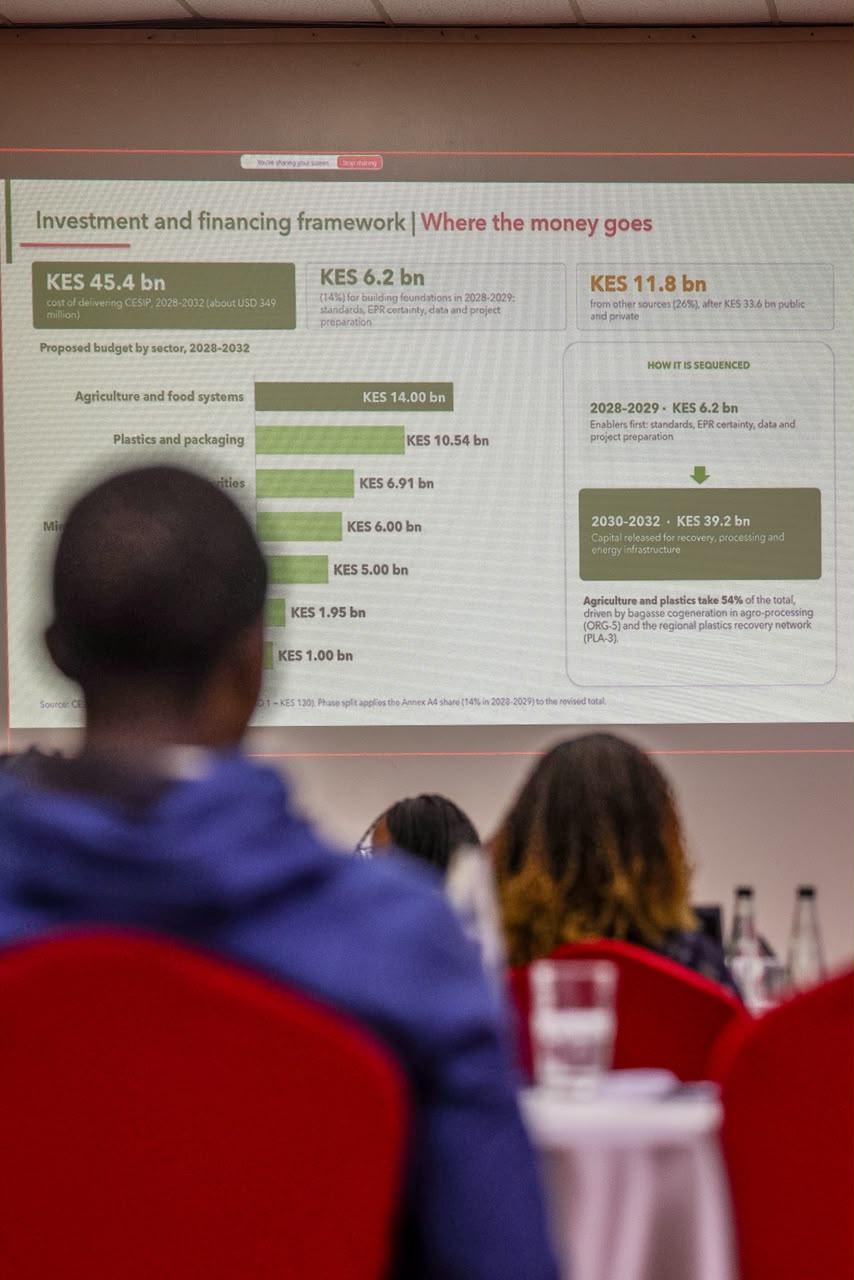
During the workshop, stakeholders are reviewing proposed interventions across the five priority sectors, alongside the Strategy’s investment and financing framework, governance and institutional arrangements, monitoring, evaluation and learning framework, and communication and awareness strategy.
The discussions are expected to generate consolidated recommendations, identify areas requiring further refinement and establish clear responsibilities and timelines for incorporating stakeholder feedback into the final document.
The Ministry is leading the development of CESIP with technical support from the KEPSA–Intellecap Consortium, strategic support from Sitra, and financial support from the European Union’s Circular Economy Resource Centre and Denmark.
Following validation, the draft Strategy will undergo final revisions ahead of its proposed national launch in November 2026. The preparatory year is envisaged for 2027, with implementation planned for 2028–2032.
The development of CESIP underscores Kenya’s commitment to advancing sustainable resource management, reducing environmental pollution and building a resilient, inclusive and resource-efficient economy.