

Kenya Unveils KSH45.4 Billion Circular Economy Strategy to Transform Waste into Wealth
Kenya has unveiled an ambitious KSh45.4 billion National Circular Economy Strategy and Implementation Plan (CESIP) 2027–2032, setting the stage for a major shift from the traditional “take-make-dispose” economic model towards resource efficiency, sustainable production and wealth creation from waste.
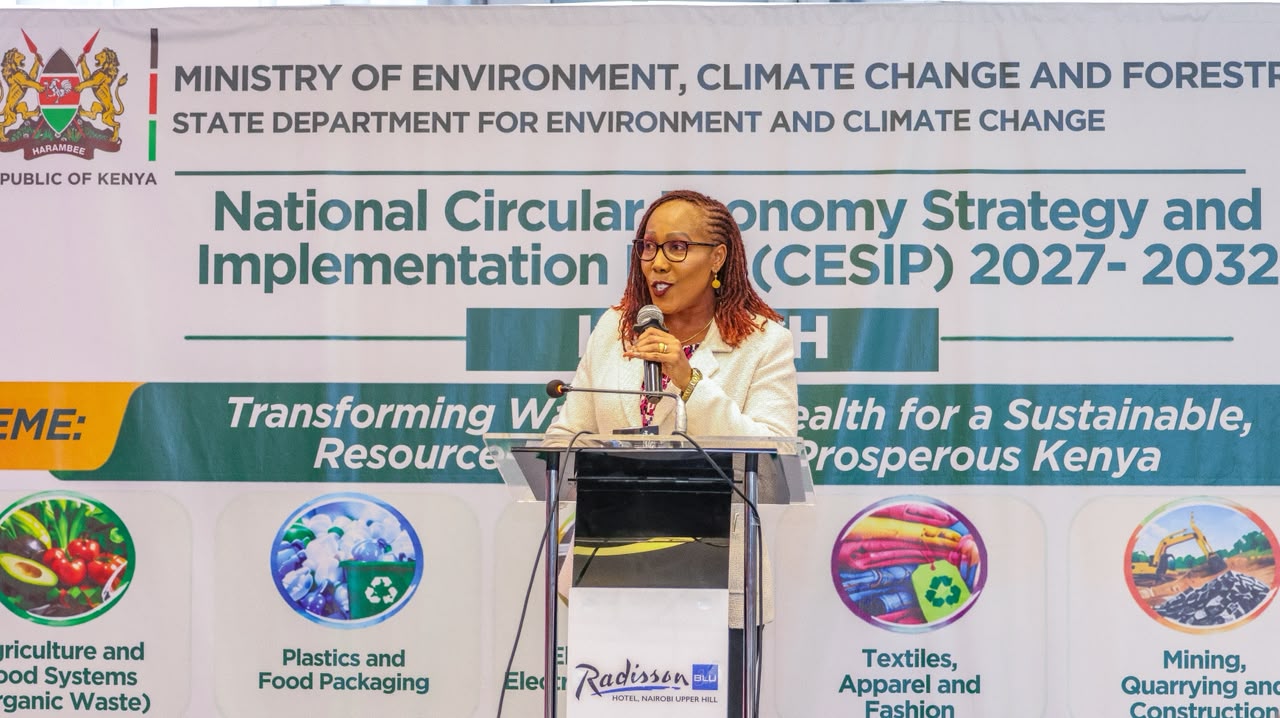
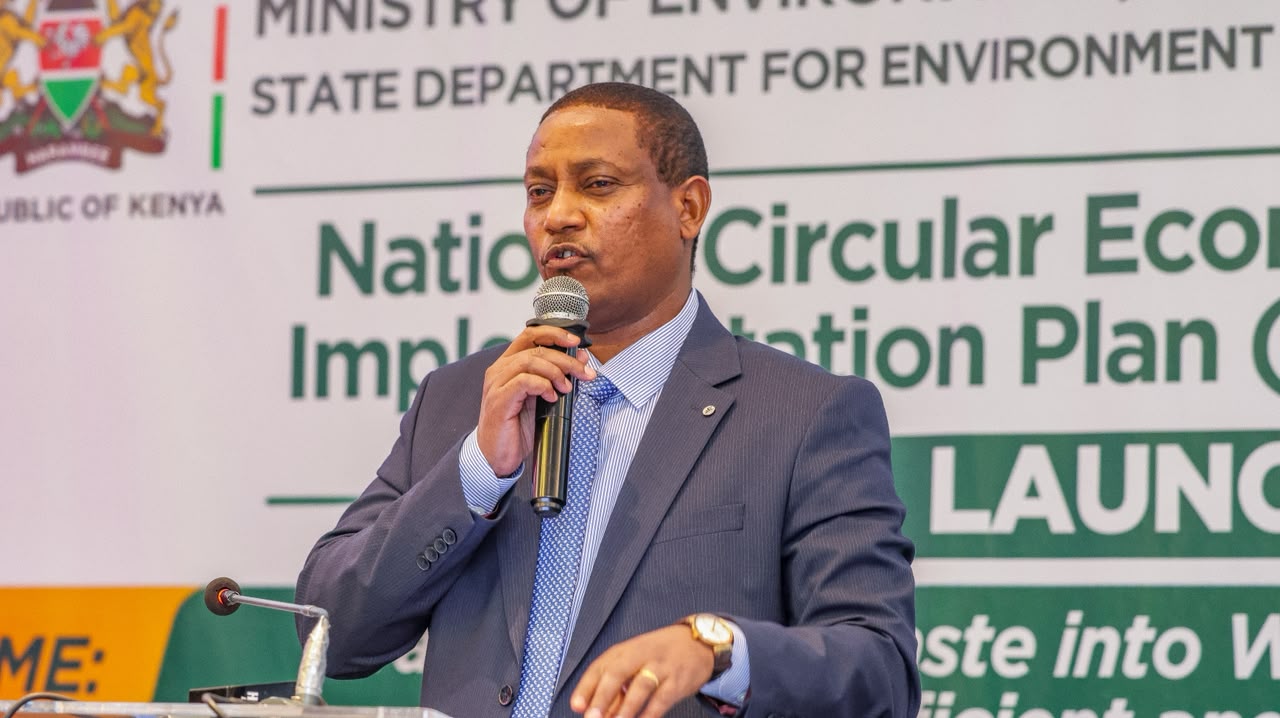
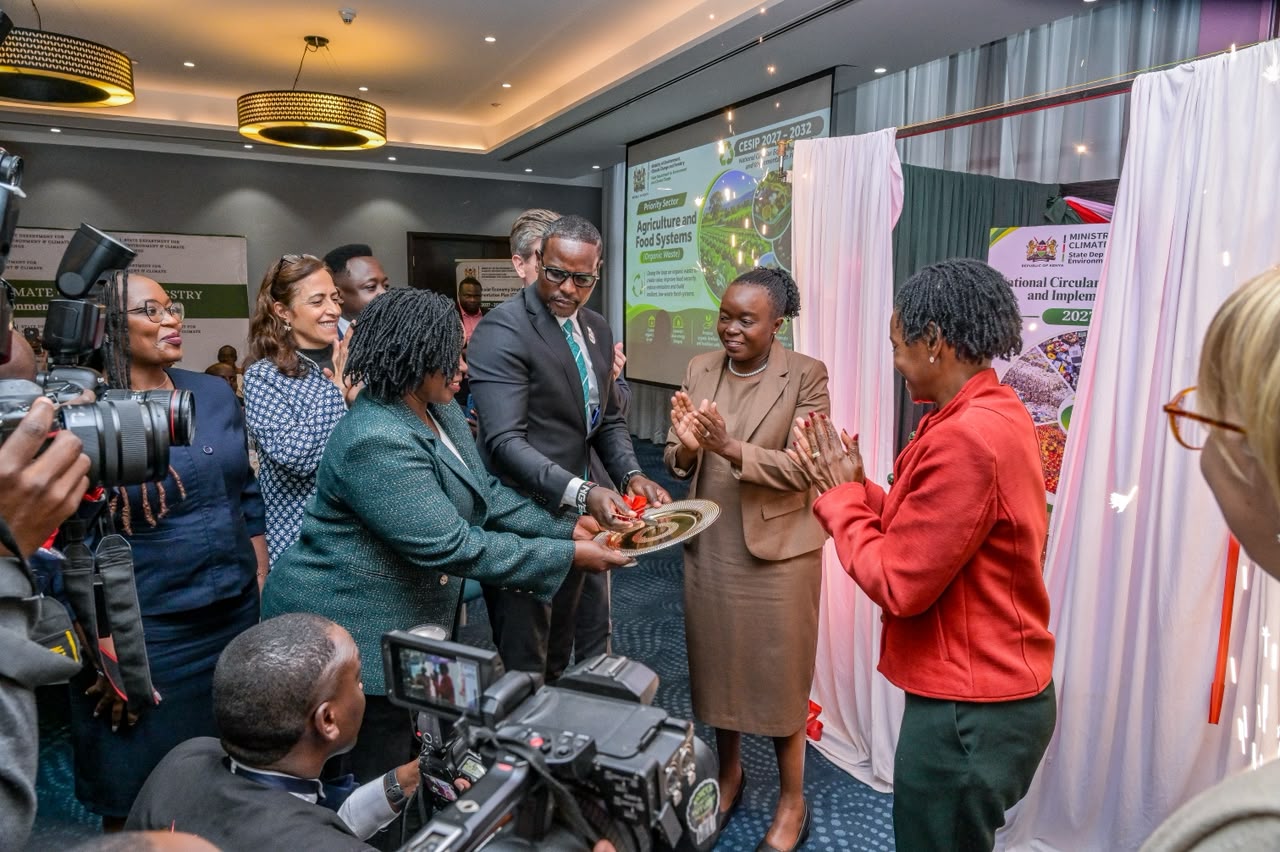
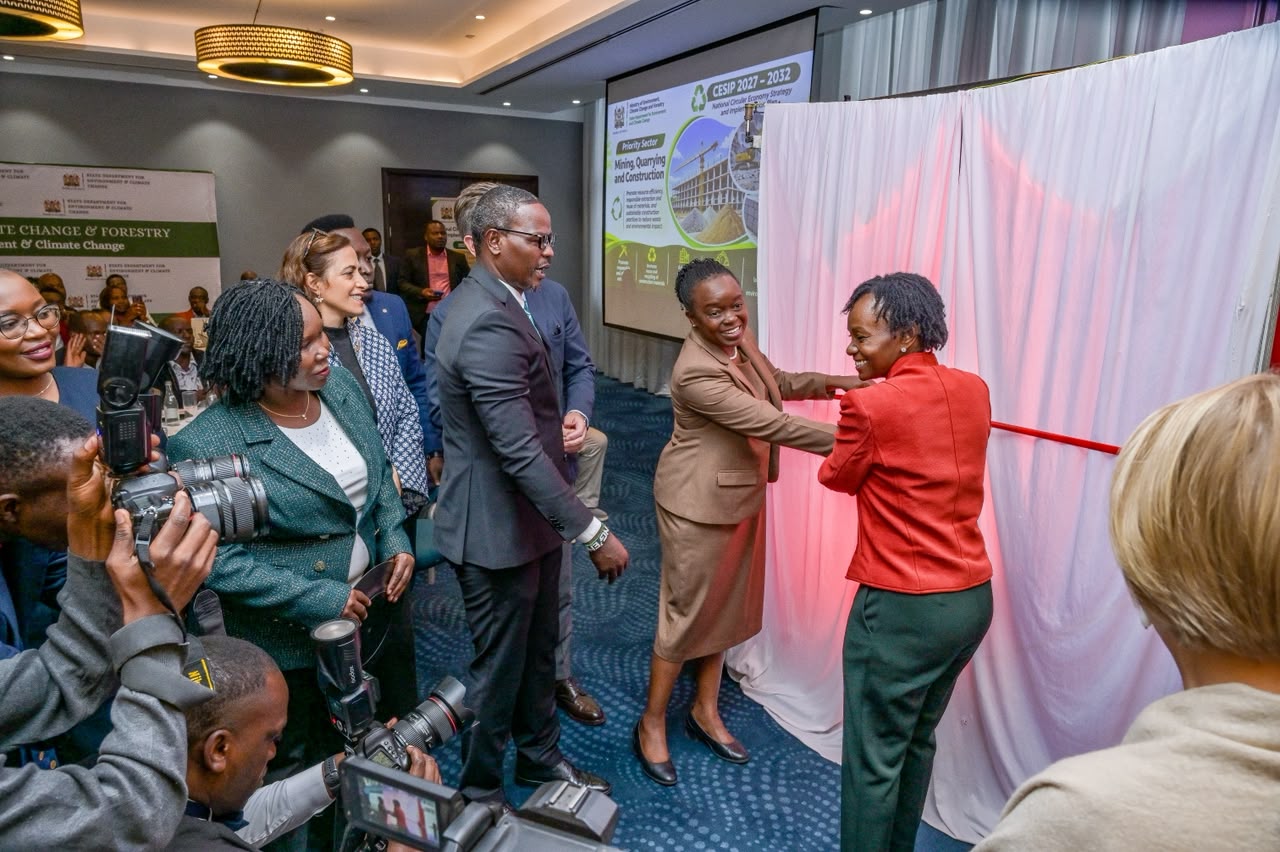
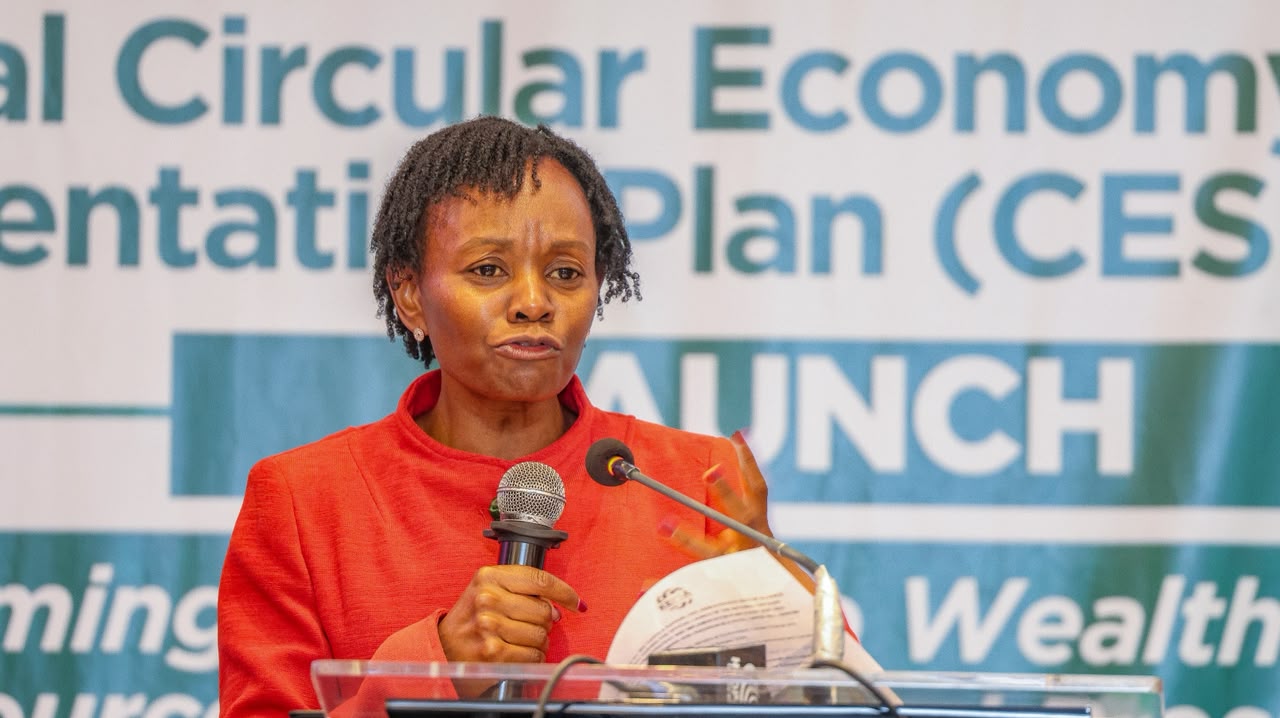
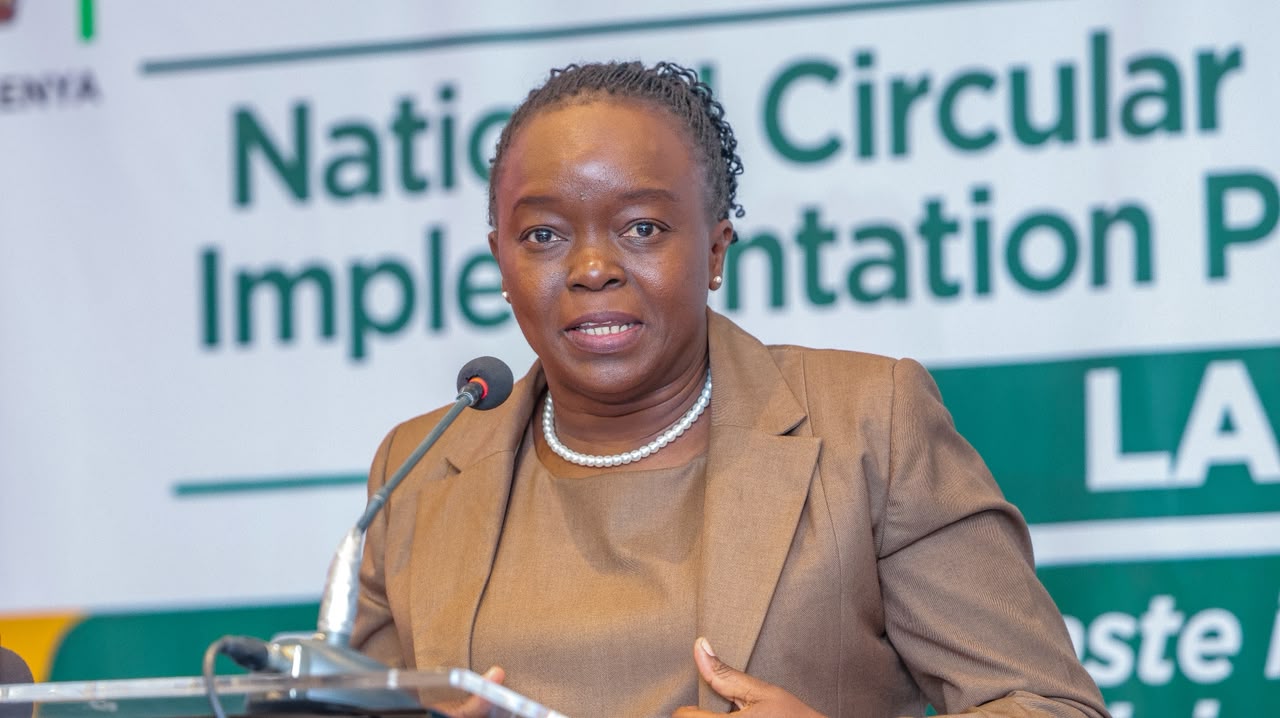
The Strategy, launched on Tuesday by Cabinet Secretary for Environment, Climate Change and Forestry Dr. Deborah Mlongo Barasa, EGH, provides a national framework for transforming how resources are produced, consumed, reused and recovered, while creating new economic opportunities, attracting green investments and generating employment.
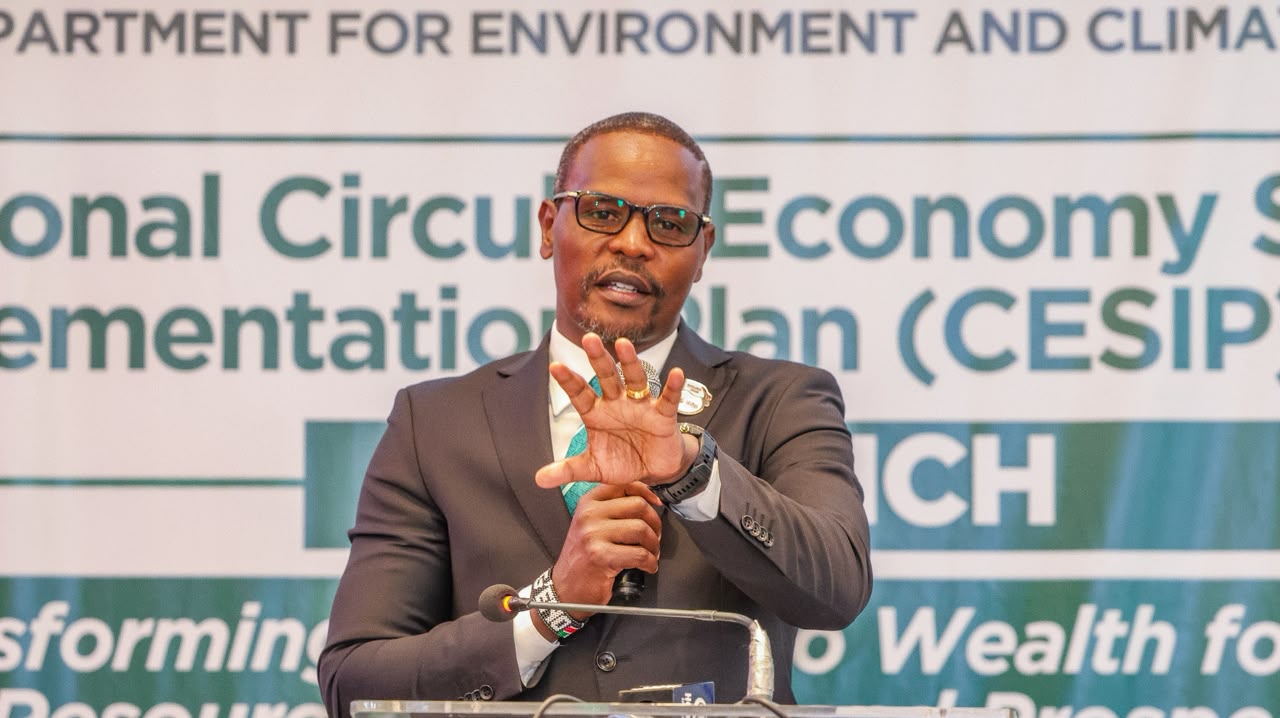
The five-year implementation framework is expected to unlock an estimated economic opportunity exceeding USD700 million across five priority sectors, with a projected contribution of approximately 0.5 per cent to Kenya’s Gross Domestic Product by 2030. Presiding over the launch at a Nairobi hotel, Dr. Barasa described the circular economy as a comprehensive economic transformation agenda rather than merely a waste management intervention.
She noted that Kenya's prevailing linear economic model, characterized by resource extraction, production, consumption and disposal, had continued to place pressure on the environment, public resources and communities. With per capita waste generation estimated at approximately 0.5 kilograms daily and packaging materials accounting for nearly 30 per cent of municipal solid waste, the Cabinet Secretary underscored the urgency of adopting sustainable production and consumption systems.
She said the Strategy would strengthen domestic manufacturing, improve agricultural productivity, reduce dependence on imported raw materials, enhance climate resilience and open new markets for Kenyan enterprises. The Strategy prioritizes five economic sectors: Agriculture and Food Systems; Plastics and Packaging; Electrical and Electronic Equipment; Textiles, Apparel and Fashion; and Mining, Quarrying and Construction.
Interventions in agriculture and food systems will focus on organic waste separation and recovery, productive utilization of agricultural residues and markets for circular inputs. In plastics and packaging, the focus will be on strengthening product standards, expanding reuse systems, improving aggregation and recycling, and eliminating environmental pollution.
The electrical and electronic equipment sector will prioritise repair, refurbishment, formal take-back schemes and safe recovery of valuable materials. In textiles and fashion, the Strategy seeks to promote reuse, sorting, fibre recovery and local value addition, while the construction and mining sector will focus on material efficiency and recovery of construction and demolition materials.
Dr. Barasa called for a whole-of-government approach, emphasizing that the transition would require coordinated action by national and county governments, the private sector, development partners, academia and communities. She particularly underscored the role of the 47 county governments in implementing waste management interventions, noting that devolved administrations were indispensable partners in harmonizing legislation, developing recovery infrastructure and creating local investment opportunities.
The Cabinet Secretary further highlighted the importance of integrating waste pickers, informal recyclers, women, youth and micro and small enterprises into the circular economy transition to ensure that the benefits of the new economic model are inclusive.
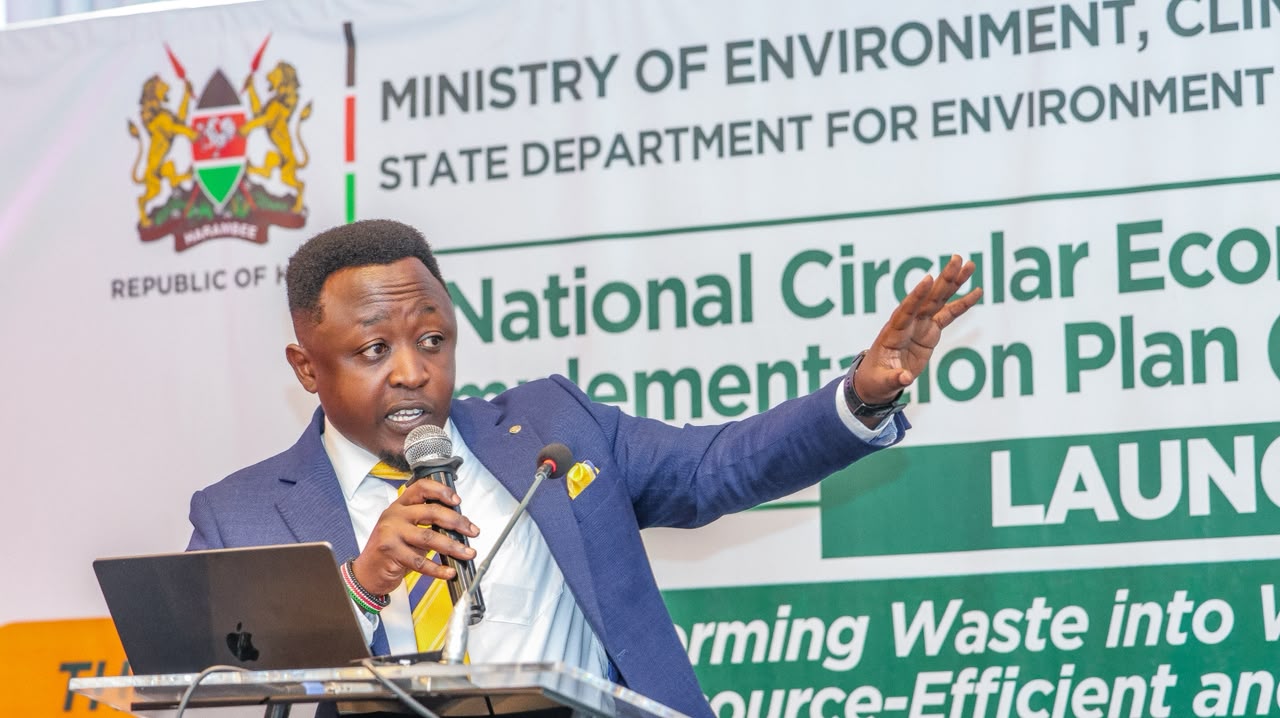
Principal Secretary for Environment and Climate Change Dr. Eng. Festus K. Ng’eno, said the Strategy consolidated previously fragmented circular economy initiatives into a coherent national framework with defined institutional responsibilities, measurable indicators, financing considerations and accountability mechanisms.
He noted that the Government was committed to decoupling economic growth from environmental degradation and resource depletion, in line with the Constitution, Kenya Vision 2030 and the country's environmental policy and legislative framework.
The Principal Secretary said the Strategy would be implemented through a phased approach, with 2027 serving as a preparatory year for validation, institutional coordination and implementation readiness, followed by the five-year operational period running from 2028 to 2032.
He explained that the first two implementation years would focus on establishing essential foundations, including quality standards for secondary materials, an effective Extended Producer Responsibility (EPR) system, improved waste management coordination, national material-flow data, access to finance for circular enterprises and strengthened county implementation capacity.
Dr. Ng’eno disclosed that the indicative implementation cost was approximately KSh45.4 billion over the 2028–2032 period at constant 2026 prices adding that the Government would work with the National Treasury, development partners, financial institutions, counties and private enterprises to mobilize resources and develop credible, costed and bankable projects.
The Strategy also places emphasis on social inclusion, with a target of certifying 15,000 informal-sector workers by 2032 in partnership with county governments. The Principal Secretary called on national government institutions, county administrations, private sector players, development partners, academia and communities to mainstream circular economy interventions into their policies, budgets and development programmes.
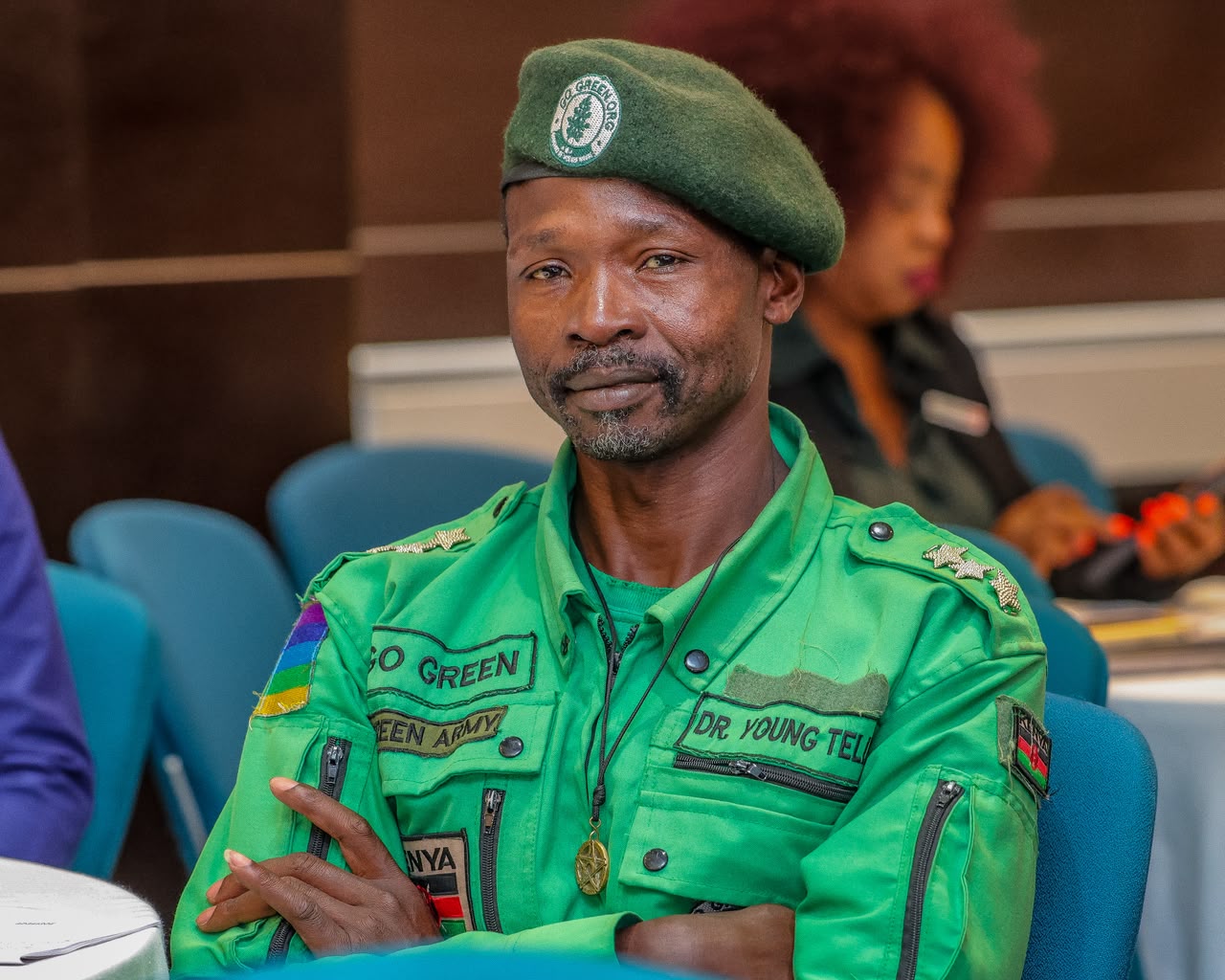
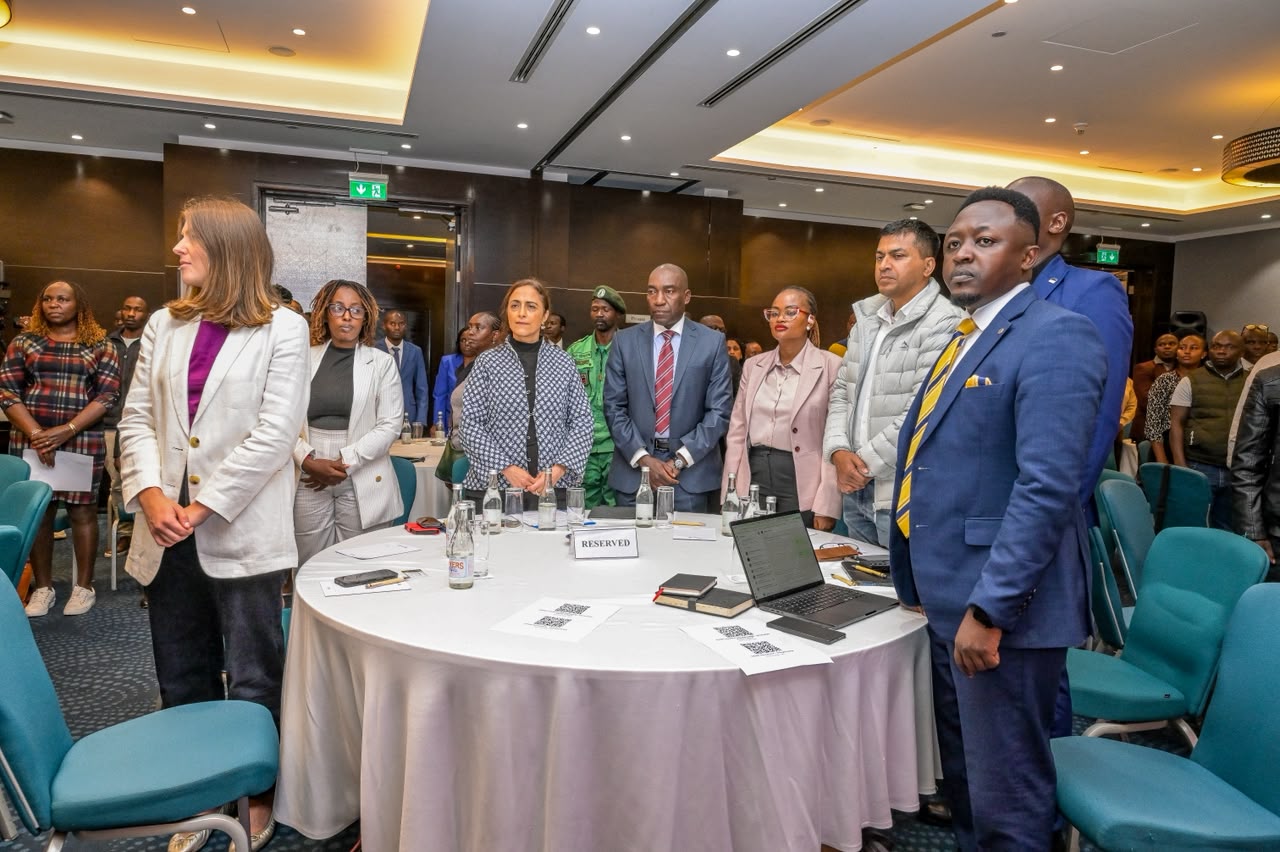
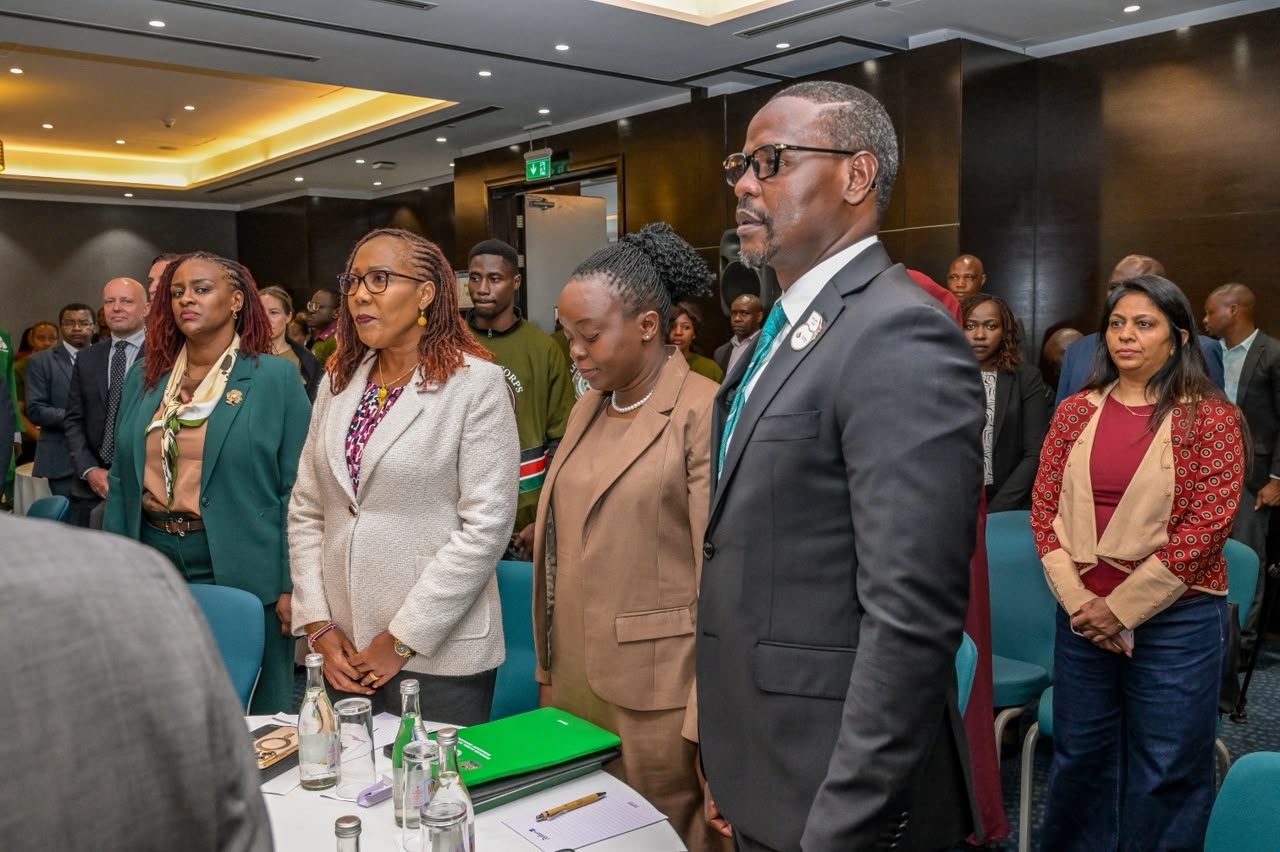
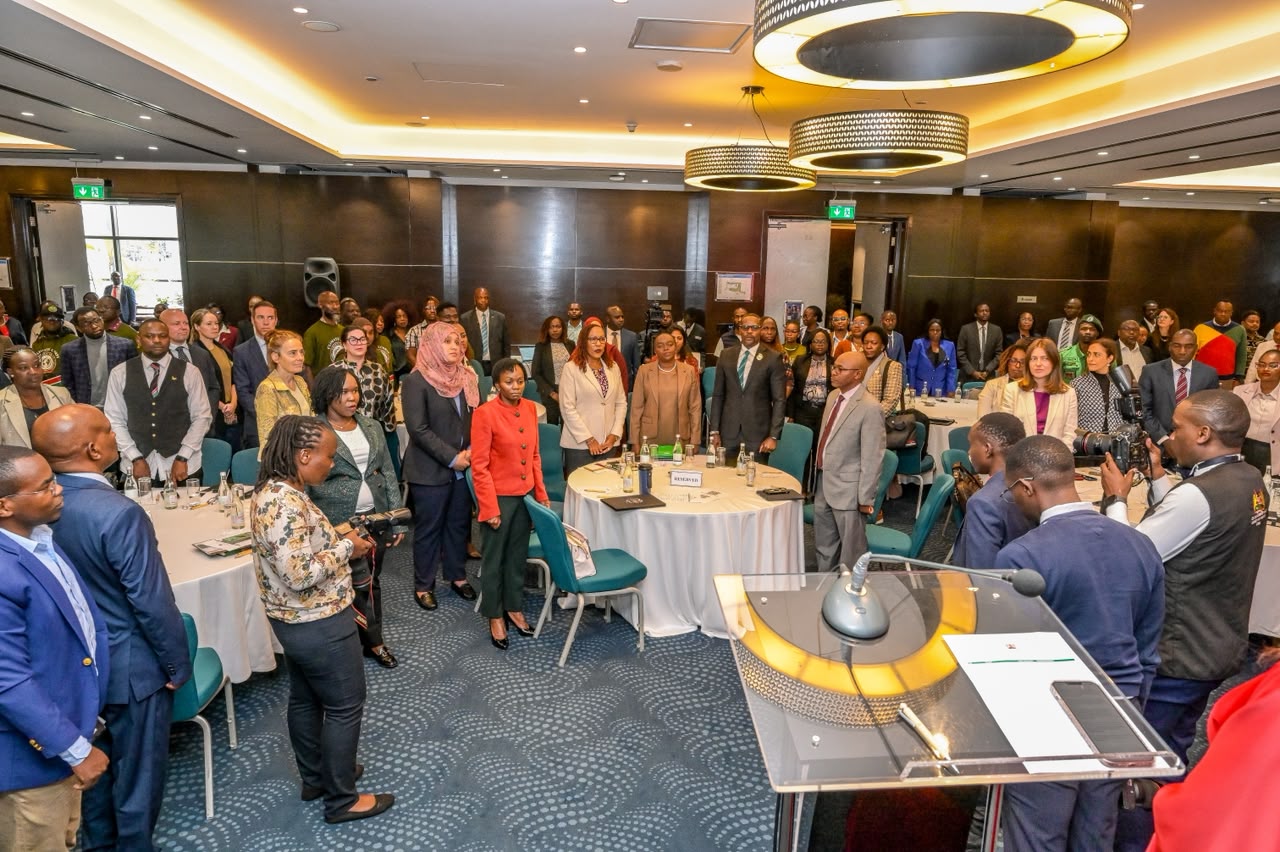
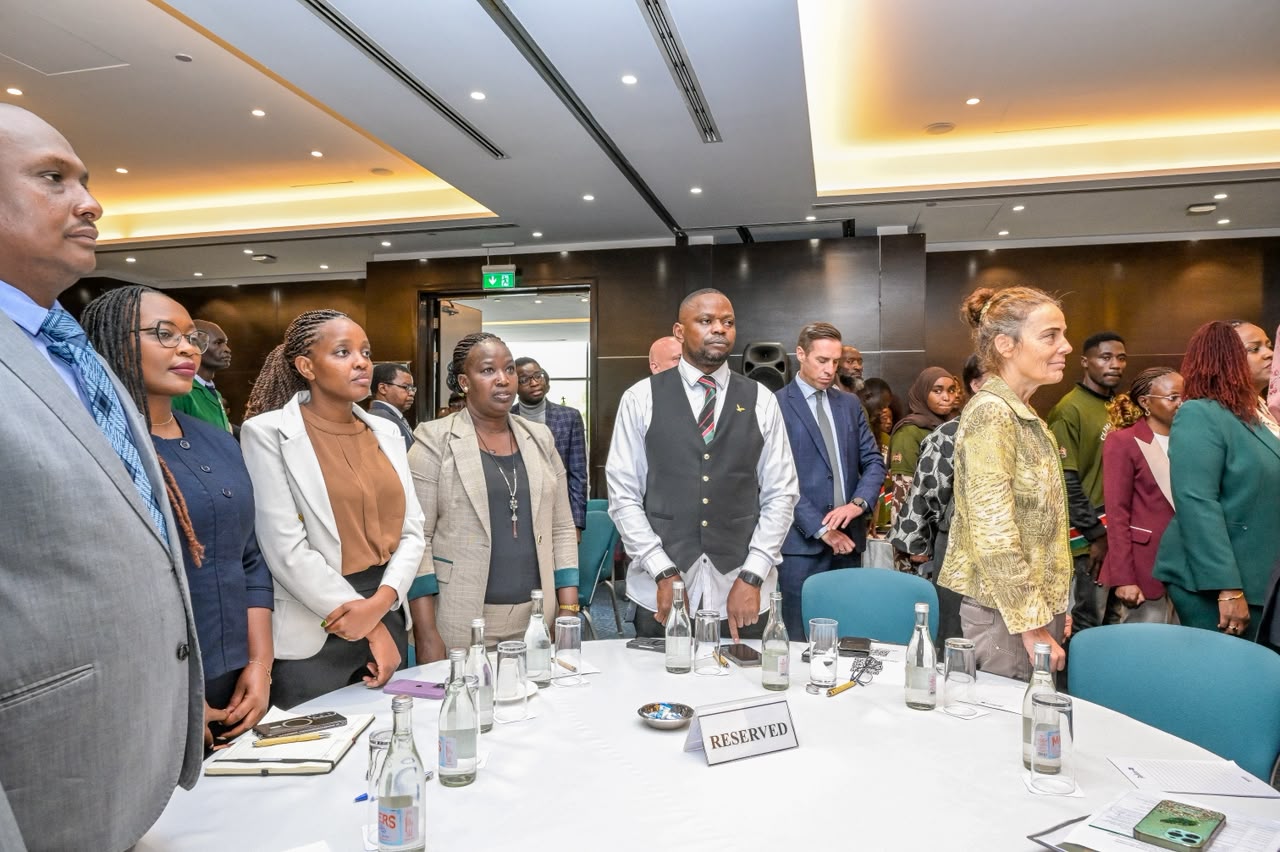
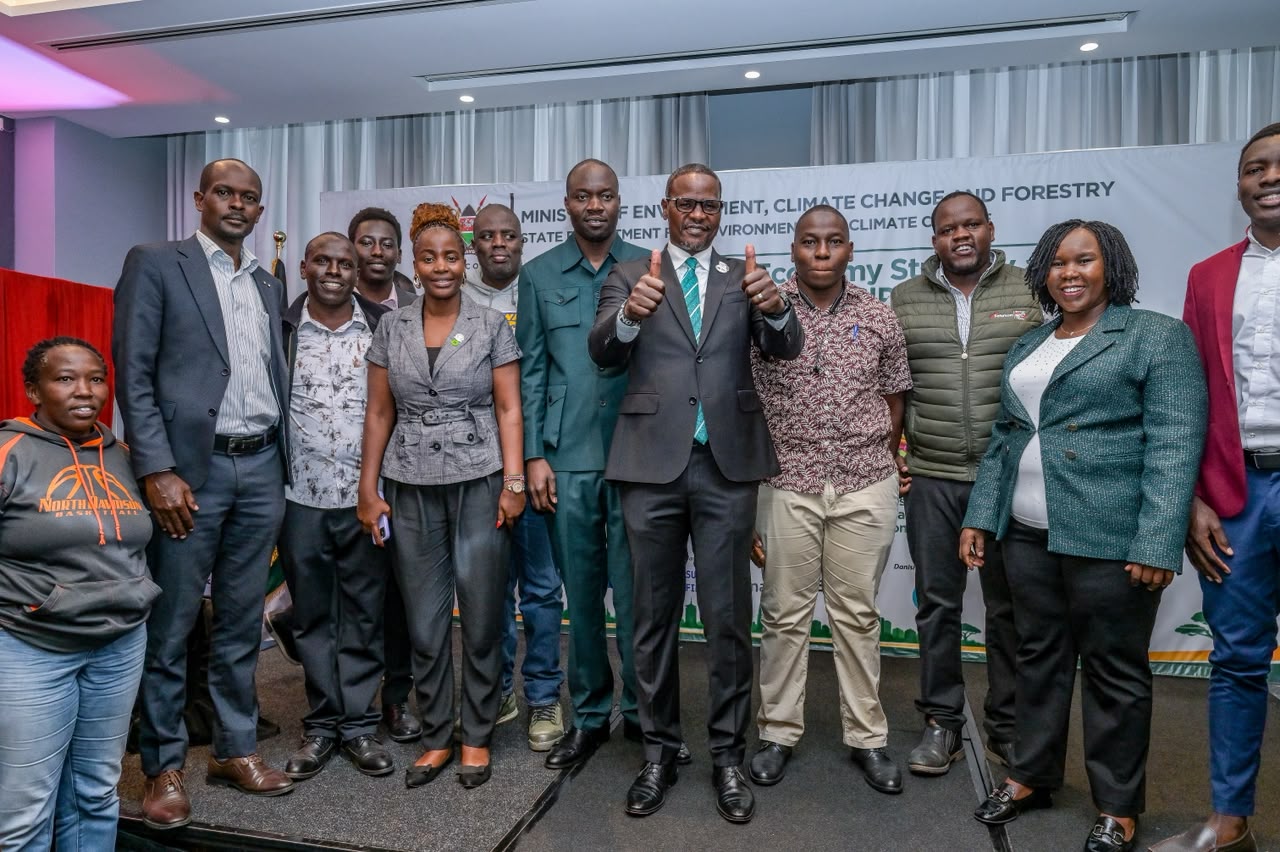
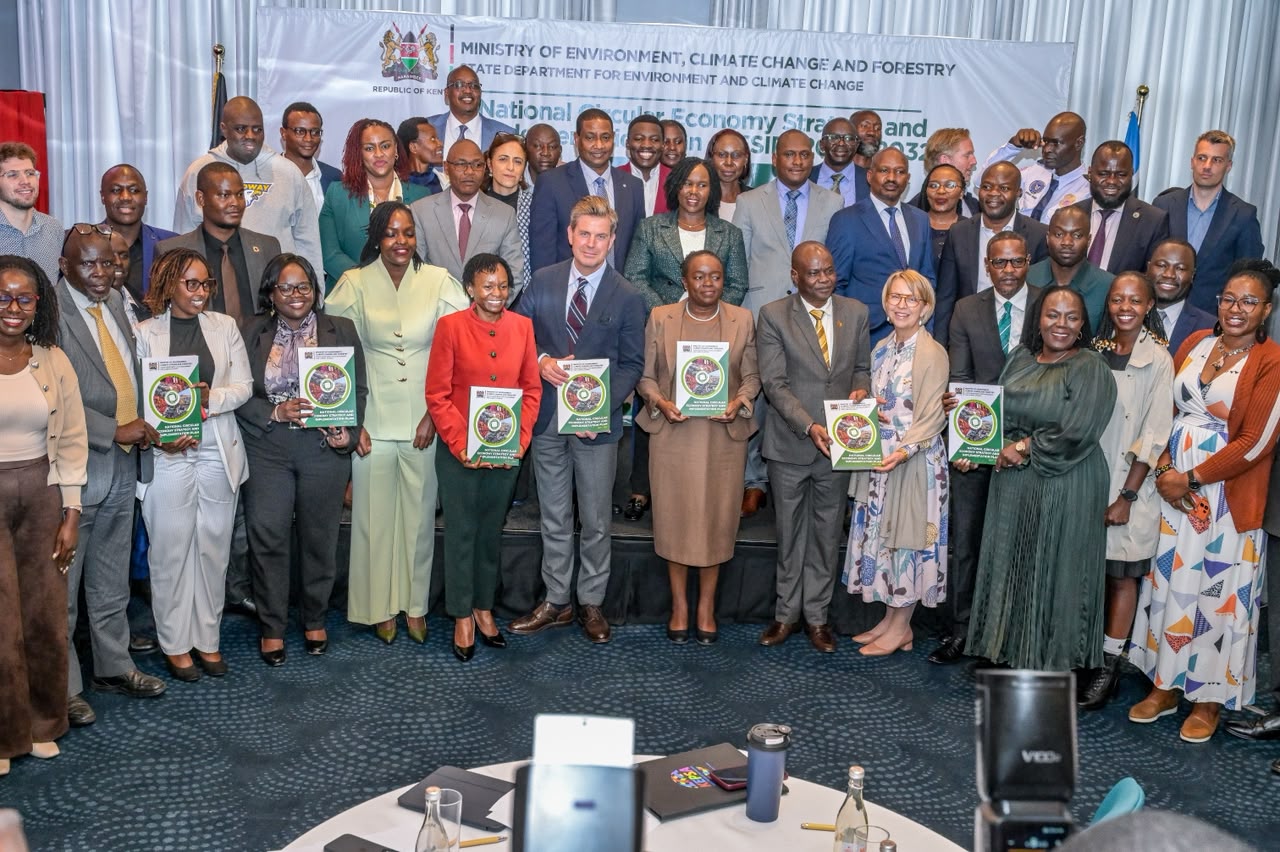
The launch brought together government leaders, diplomatic representatives, development partners, the private sector and environmental stakeholders, reflecting the multi-sectoral nature of the circular economy agenda.
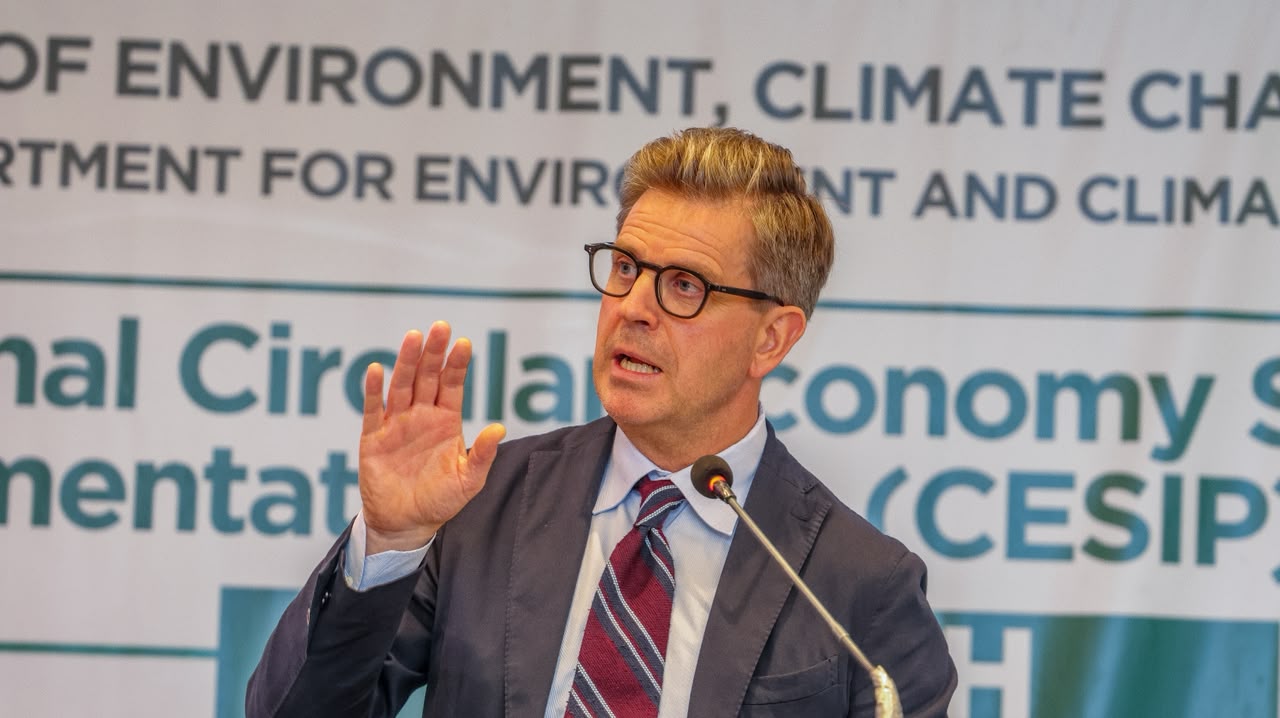
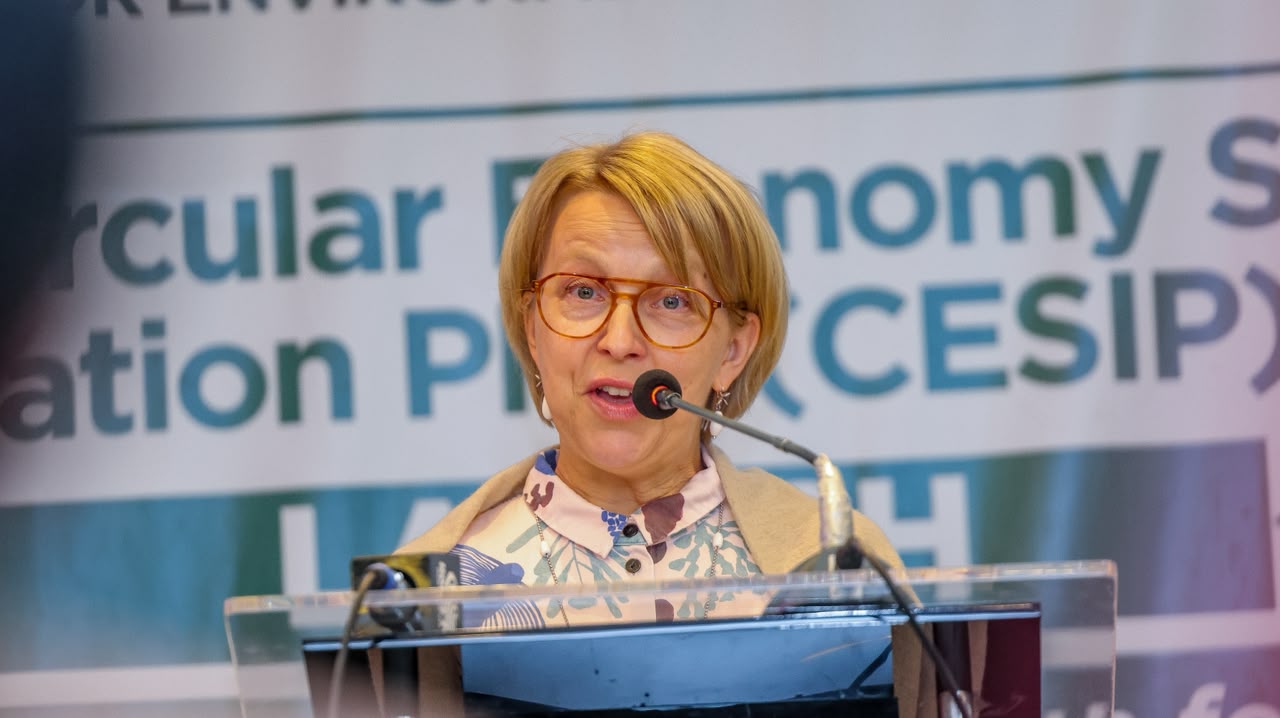
Those in attendance included H.E. Amb. Stephen Schonemann of the Embassy of Denmark, H.E. Riina-Riikka Heikka of the Finnish Embassy and a representative of the European Union Delegation. Also present were Chief Executive Officer of the Council of Governors, Ms. Mary Mwiti; Director General of the National Environment Management Authority (NEMA), Dr. Mamo B. Mamo; Chief Executive Officer of the Kenya Private Sector Alliance (KEPSA), Ms. Caroline Kariuki; and WWF Chief Executive Officer Dr. Jackson Kiplagat alongside other government officials, development partners and private sector representatives.
The Strategy was developed through policy and legislative reviews, sector and value-chain assessments, technical analysis and extensive stakeholder consultations involving ministries, government agencies, county governments, businesses, producer responsibility organizations, informal-sector representatives, researchers and civil society.
The Principal Secretary acknowledged the technical contribution of the KEPSA-Intellecap consortium, as well as support from Sitra, the EU Circular Economy Resource Centre, the European Union, Finland and the Danish Energy Agency.
The launch marks a transition from policy formulation to implementation, with the Government expected to operationalize the National Circular Economy Programme (NACIP) in 2027 as the primary delivery vehicle for the Strategy.
The framework will establish coordinated implementation arrangements involving relevant ministries, agencies, county governments and sector-based technical working groups.
Among the anticipated outcomes are increased waste separation and recovery, improved recycling of plastics and electronic waste, reduced open dumping and burning, greater use of secondary raw materials and expansion of green employment opportunities.
The Strategy further seeks to strengthen the Extended Producer Responsibility framework, promote green public procurement, encourage innovation and improve access to financing for circular enterprises.
As Kenya embarks on this transition, the success of CESIP will ultimately depend on the ability of institutions, businesses and communities to translate the policy commitments into practical investments, sustainable enterprises and improved livelihoods.
The overarching ambition is to position waste as a valuable resource, strengthen economic competitiveness and build a more inclusive and environmentally sustainable economy.