
Kenya signs the Nairobi Convention Protocol on Marine and Coastal Biological Diversity and Protected Areas
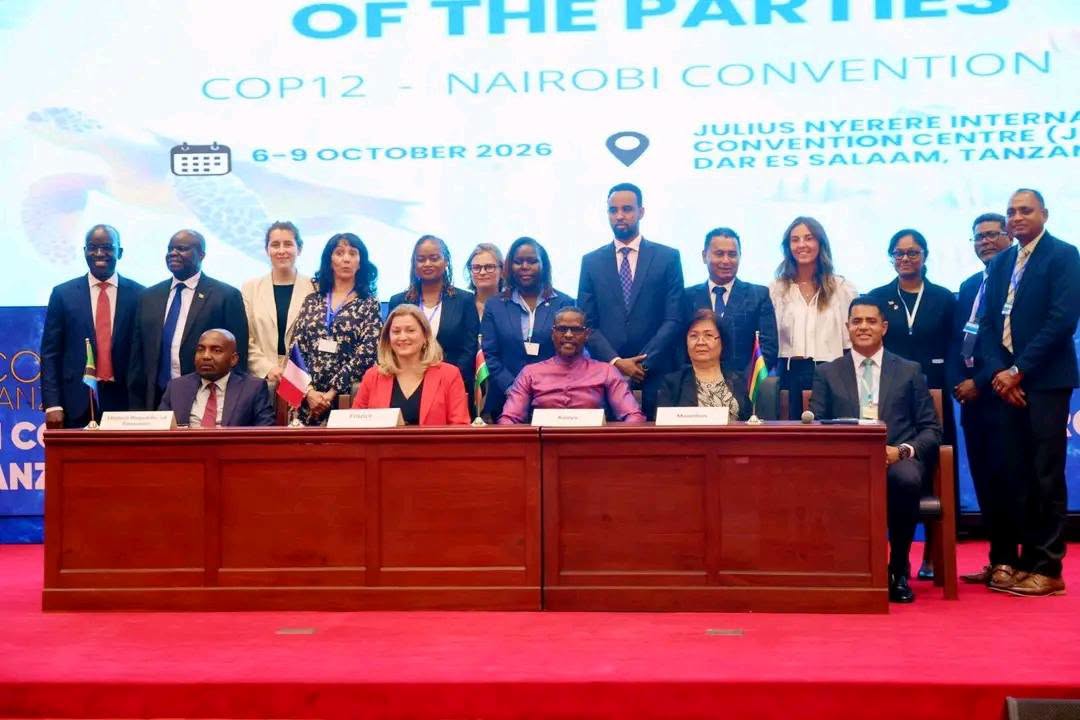
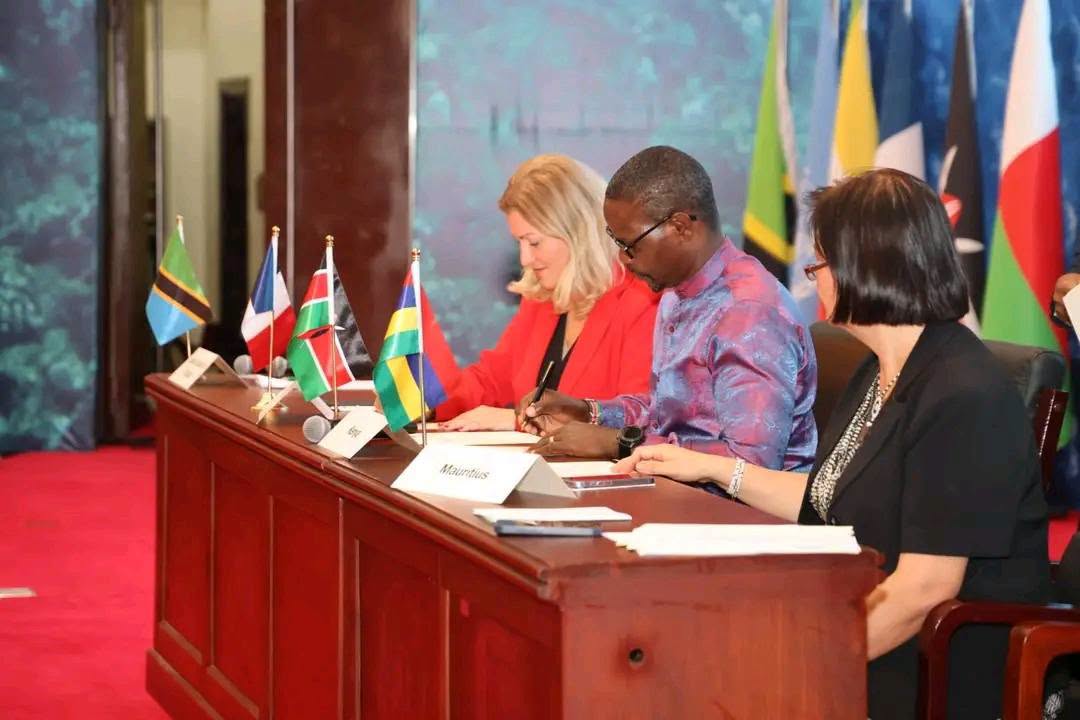
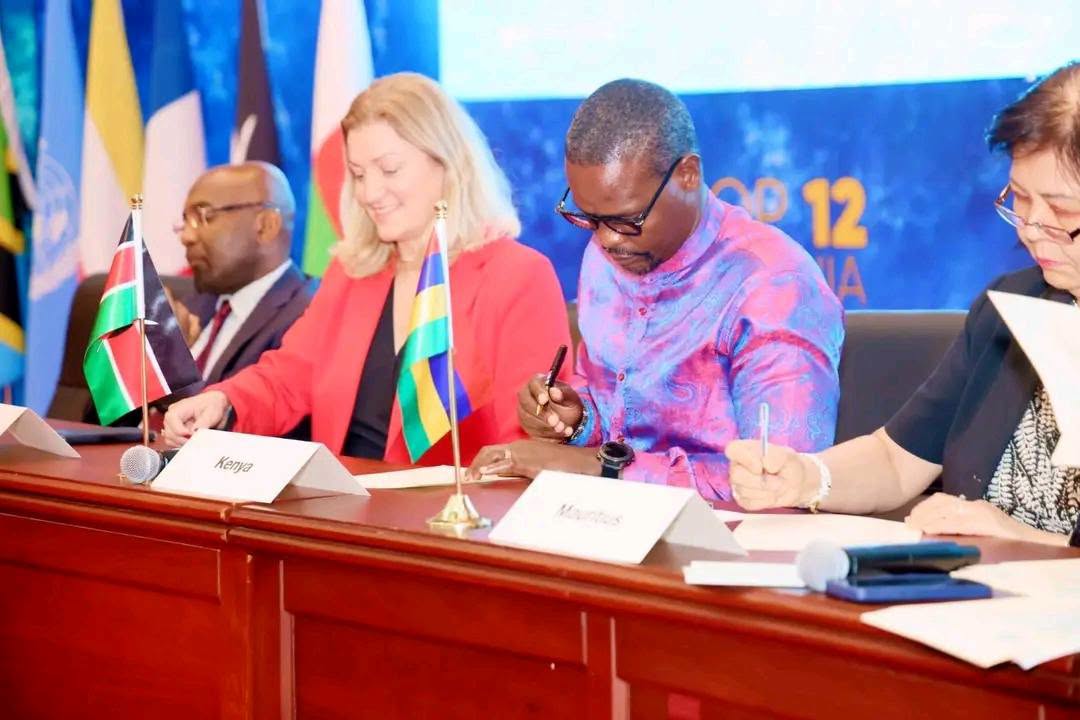
Kenya has reaffirmed its commitment to the conservation and sustainable management of marine and coastal ecosystems through the signing of the Protocol on Marine and Coastal Biological Diversity and Protected Areas under the Nairobi Convention, during the Twelfth Conference of the Parties (COP12) in Dar es Salaam, Tanzania.
The Protocol was signed on behalf of the Government of Kenya by the Principal Secretary, State Department for Environment and Climate Change,Dr. Eng. Festus K Ng’eno, MIEK, CBS
The Protocol provides a strengthened regional framework for the conservation, restoration and sustainable use of marine and coastal biodiversity across the Western Indian Ocean region. It seeks to enhance cooperation among Contracting Parties in protecting critical marine habitats, strengthening the management of marine and coastal protected areas, and addressing growing threats from biodiversity loss, pollution, climate change and unsustainable resource use.
For Kenya, the signing represents an important milestone in advancing national priorities for marine biodiversity conservation, sustainable blue economy development and the protection of coastal livelihoods. It also reinforces the country’s commitment to the Kunming-Montreal Global Biodiversity Framework, including the global target to effectively conserve at least 30 per cent of terrestrial, inland water, coastal and marine areas by 2030.
The signing further demonstrates Kenya’s continued leadership and cooperation under the Nairobi Convention, which marks 40 years of regional collaboration in protecting the marine and coastal environment of the Western Indian Ocean.
Through this milestone, Kenya reiterates its commitment to working with neighbouring countries, coastal communities and development partners to secure a healthy, resilient and productive Western Indian Ocean for present and future generations.