
Kenya Launches Draft National Environment Policy 2026 for Stakeholder and Public Participation
The Government of Kenya has launched the Draft National Environment Policy 2026, marking a significant milestone in strengthening environmental governance, addressing emerging ecological challenges and advancing sustainable development.
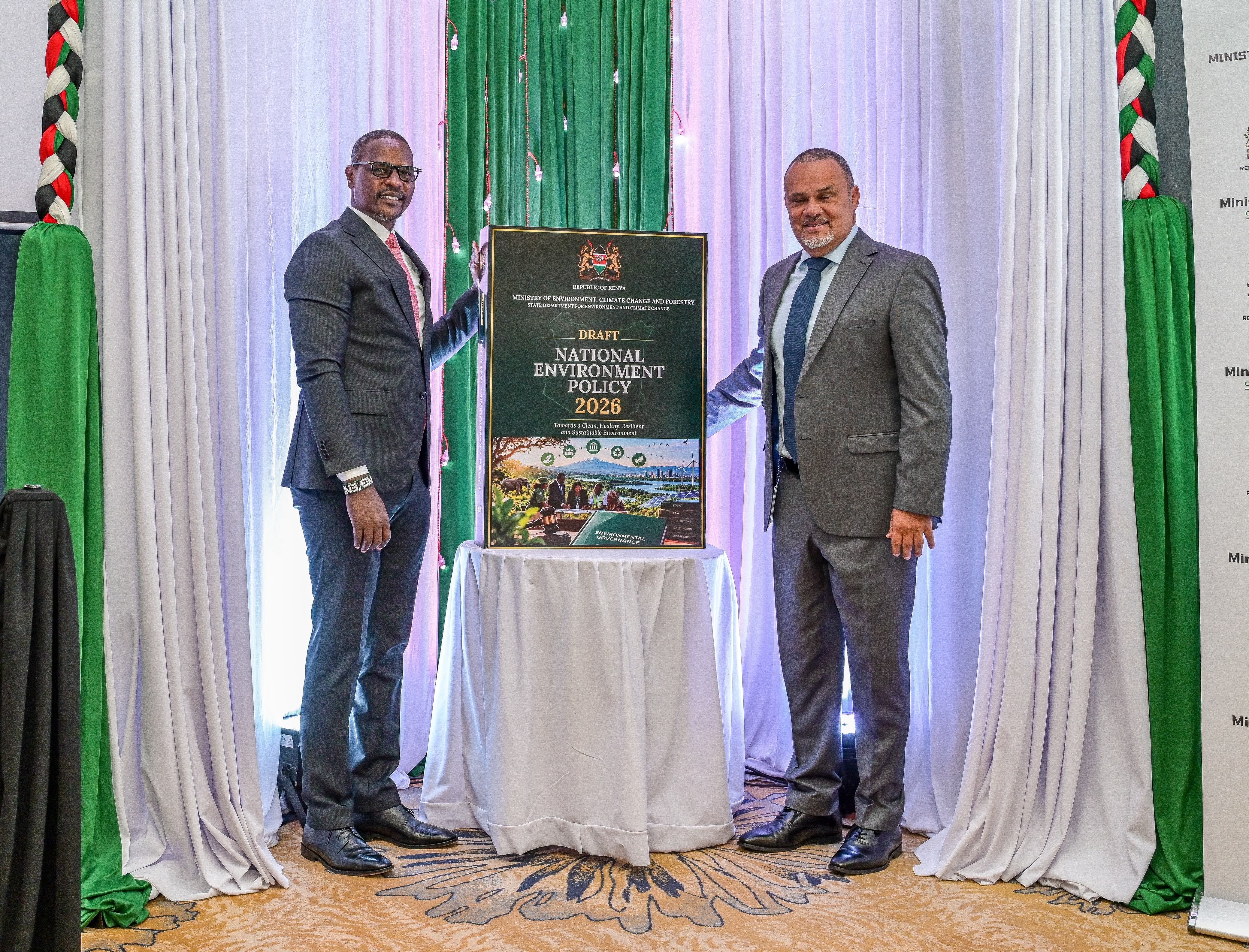
The Draft Policy was officially launched by the Principal Secretary for Environment and Climate Change, Dr. Eng. Festus K. Ng’eno, MIEK, CBS, during a breakfast meeting held at a Nairobi Hotel.
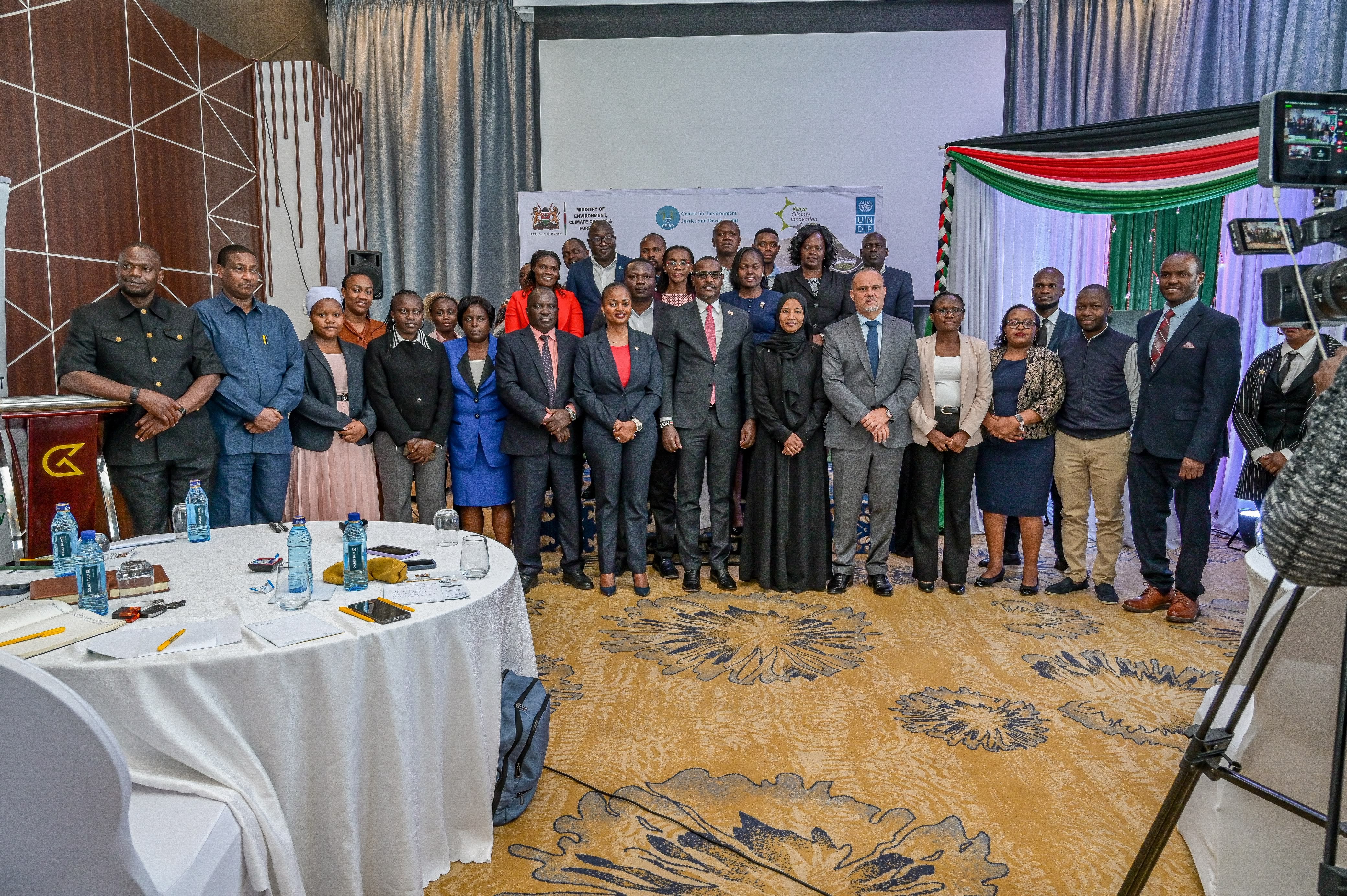
The event brought together UNDP Kenya Resident Representative Mr. Jean-Luc Stalon, representatives from the Council of Governors, Technical Working Groups, development partners, civil society, the private sector, academia and other stakeholders.
Speaking during the launch, Dr. Ng’eno underscored the need to review the National Environment Policy of 2013 to respond to evolving environmental challenges, constitutional requirements, devolution and emerging international commitments.
He noted that the existing policy was developed before key frameworks, including the Paris Agreement, Climate Change Act, carbon markets regulatory framework and Sustainable Waste Management Act, 2022, came into existence.
The Principal Secretary emphasized that the Draft Policy is anchored in Articles 10, 42, 69 and 70 of the Constitution, reinforcing environmental rights, public participation, accountability and the responsibility to protect natural resources for present and future generations.
“Today, I have the honour to place before the People of Kenya the First Draft of the National Environment Policy, 2026,” he stated, emphasizing that the document remains open to stakeholder input.
Dr. Ng’eno highlighted that the Draft Policy seeks to strengthen coordination between the national and county governments by proposing a coherent framework for devolved environmental functions and a single intergovernmental coordination mechanism.
He further noted that the Policy provides strategic direction on emerging environmental priorities, including climate change, biodiversity loss, pollution, land degradation, circular economy, nature-based solutions, environmental data and the application of artificial intelligence in environmental governance.
The Draft Policy also addresses climate-driven challenges such as the rising water levels of Rift Valley lakes, which threaten ecosystems, infrastructure and livelihoods.
It further aligns environmental governance with Kenya's international climate and biodiversity commitments, including the target of reducing greenhouse gas emissions by 35 per cent by 2035 and protecting 30 per cent of the country's land.
The Principal Secretary emphasized the importance of positioning environmental sustainability at the centre of Kenya's development agenda beyond Vision 2030, particularly through renewable energy, green jobs, resource efficiency and climate resilience.
He called for meaningful, inclusive and informed public participation, particularly among women, youth, persons with disabilities, pastoralists, indigenous peoples and local communities, to ensure that the final Policy reflects the aspirations and needs of all Kenyans.
Dr. Ng’eno reaffirmed the Government's commitment to completing the policy review process by 12th December 2026, following stakeholder consultations, validation and finalization.
He commended UNDP Kenya, CEJAD, WWF, the Council of Governors, Technical Working Groups and the team led by Prof. Robert Kibugi for their technical contributions and continued support to the review process.
The Draft National Environment Policy 2026 is expected to provide a comprehensive framework for strengthening environmental protection, promoting sustainable natural resource management and accelerating Kenya's transition towards a green, climate-resilient economy.
The launch officially opened the Draft Policy for stakeholder and public participation, giving Kenyans an opportunity to contribute towards shaping the country's environmental governance framework for the next decade and beyond.