





Government Seeks Stronger Environmental Protection Through Seven Proposed Regulations
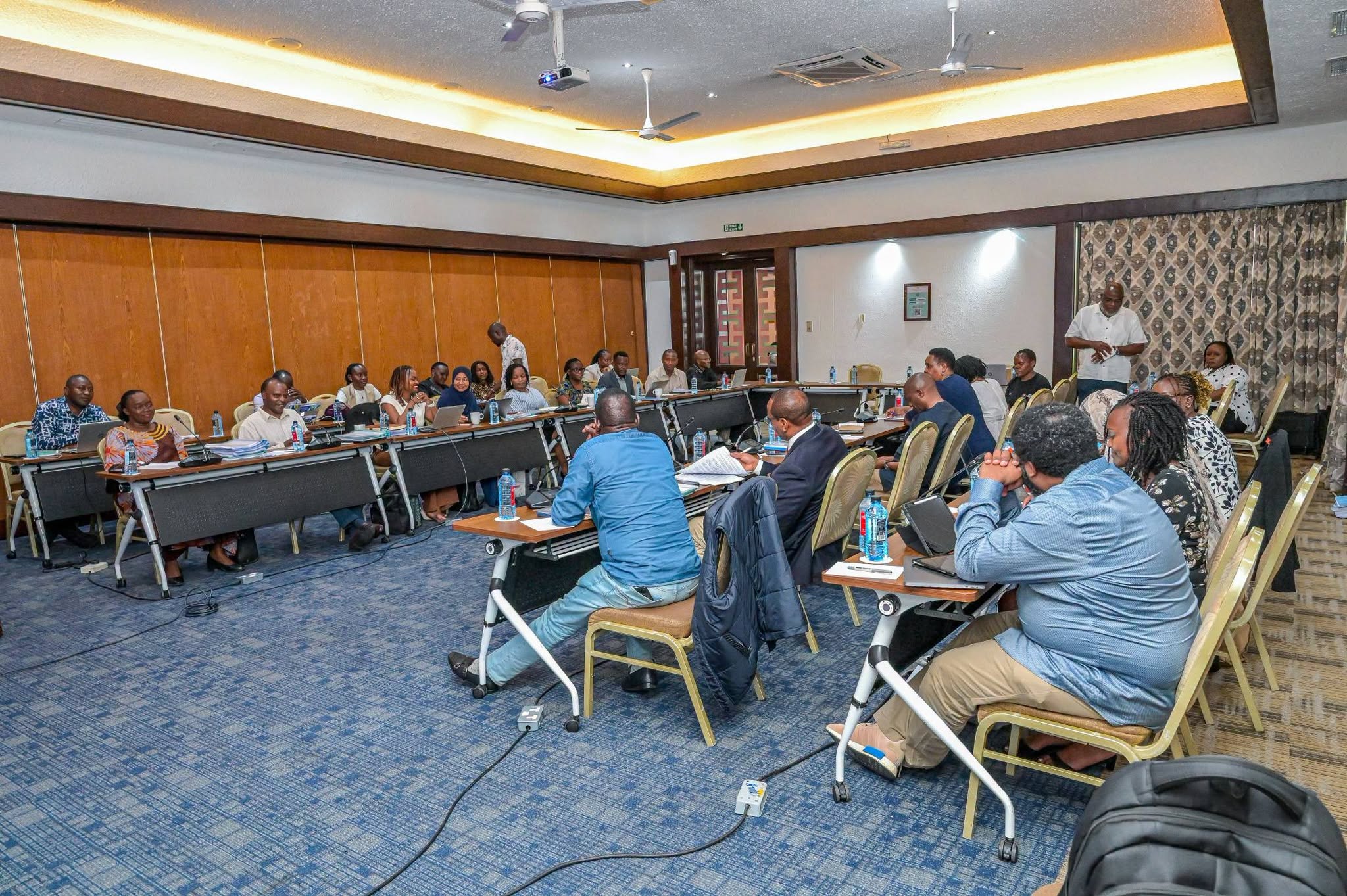
Cabinet Secretary for Environment, Climate Change and Forestry, Dr. Deborah Mlongo Barasa today appeared before the Senate Committee on Delegated Legislation, chaired by Tharaka Nithi Senator Hon. Mwenda Gataya, to present seven proposed regulations for pre-publication scrutiny.
The proposed regulations seek to operationalise existing environmental laws by establishing clear rules for carbon trading, wetland conservation, environmental assessments, and forest management.
This scrutiny provides an opportunity for the Committee to examine the proposed instruments before publication, with a view to ensuring legal consistency, regulatory accountability, and effective implementation.
The seven regulations cover carbon trading, the National Carbon Registry, wetlands, environmental impact assessments and audits, public forest concessions, charcoal production, and participation in sustainable forest management.
In the climate change sector, the proposed Carbon Trading Regulations and National Carbon Registry Regulations seek to strengthen transparency in carbon markets by providing for the management of Kenya’s carbon budget and the tracking of carbon credits and transactions.
The proposed registry will maintain records of carbon projects, credit transfers, and other transactions while making non-confidential information accessible to the public. These measures are intended to strengthen oversight, protect the integrity of carbon trading, and ensure that carbon market activities contribute to Kenya’s climate commitments and sustainable development.
For communities hosting carbon projects, improved transparency will enhance access to information and accountability.
The proposed Wetlands Conservation and Management Regulations and Strategic and Integrated Environmental Impact Assessments and Environmental Audits Regulations seek to protect vital ecosystems while ensuring that development decisions account for environmental risks.
The wetlands framework provides for the identification, protection, and restoration of wetlands, including safeguards for riparian reserves. The environmental assessment framework introduces a risk-based system for examining projects, policies, plans, and programmes, alongside requirements for public participation, climate risk assessment, and compliance monitoring.
The three proposed forestry regulations focus on curbing unsustainable practices while creating clearer frameworks for investment and community participation.
The public forest concessions regulations provide for competitive procurement, environmental protection guarantees, and community engagement.
The proposed Charcoal Regulations seek to address illegal production and forest degradation through licensing, efficient production technologies, and traceability of charcoal from its source to the market.
The regulations on participation in sustainable forest management establish mechanisms through which Community Forest Associations and private-sector players can contribute to forest conservation and responsible resource utilisation.
The proposed regulations collectively seek to ensure that environmental protection delivers tangible benefits to Kenyans while supporting economic activity and sustainable livelihoods.
#ClimateAction #CarbonMarkets #WetlandsConservation #SustainableDevelopment